 I recently wrote a piece for Time and Leisure Magazine recommending the first books in a number of crime fiction series, each series running to between three and thirteen books at time of going to press. A good series is a fine thing in deep mid-winter, especially when one isn’t going out so much and I know crime fiction readers, in particular, are always on the look-out for ones they haven’t tried yet.
The other prompt for the article was my completion of Opera, the third in my own series and thoughts of what would come next. Will there be a book four, or five? There certainly could be, there’s quite a cliff-hanger at the end and I am, only now, beginning to see what might happen next (in fact, it begins to seem inevitable). Would Claret Press want another Cassie Fortune? Even if they do, will that be what I write next, or do I want a break from her? Do I want to write something else?
Maintaining quality within a series isn’t easy, keeping a freshness is even harder. In ‘detective’ crime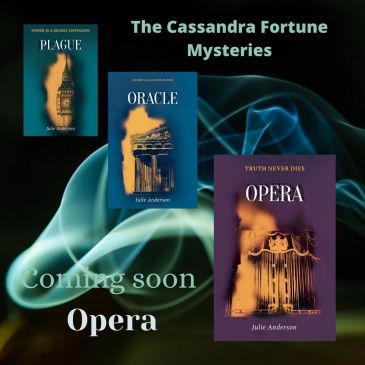 fiction the puzzles must differ and the twists must be new, or at least fresh. The contexts and locations can change (at least I can send Cassie anywhere, she isn’t tied to a place or one type of job) but there’s a risk that, in trying to introduce new thrills, dangers and surprises a story can become too contrived, or unbelievable. There is also a delicate balance to be struck, readers want some more of the same, as well as something different.
Many lovers of Plague didn’t like Oracle as much, they found a classic ‘country house’ murder mystery rather than a diabolical big city mastermind causing the deaths of many. Others preferred the second book. The two books were very different. Opera returns to London and is, I hope, a mix of the two styles. Our protagonist, too, is back to her more sympathetic best, but somewhat wiser.
Characters familiar to the reader of earlier books in a series still have to be drawn clearly and the best of them grow and change, think of Rebus, or Morse. Otherwise they become boring to write about too. Famously, Conan Doyle grew tired of Sherlock Holmes so killed him off before being forced to resurrect him ( but then, Sherlock Holmes didn’t change, he was fixed in his character ). Other authors have complex reactions to their characters, Dorothy L Sayers even fell in love with her protagonist, Lord Peter Wimsey.
 Some of the most addictive crime series are linked by an ongoing and developing relationship, often of a romantic nature. So, when, if ever, will Cormoran Strike and Robin Ellacott get together? The same goes for Dr Ruth Galloway and DCI Harry Nelson (I haven’t read all the books in this series yet). Readers are attracted by the crime puzzle and stay with the series to follow the relationships. Having killed off my potential romantic lead in my first book (and there are readers who still haven’t forgiven me for doing that) and made the central relationship of the next two books as being between two people who can only destroy each other, precludes that from happening to Cassandra.
I’m not tired of Cassie Fortune yet, she has a lot of lessons to learn and at the end of Opera she is beginning to learn them. But there are other considerations.
If you’re interested in the article recommending crime fiction series, you can access it here.
 ‘Gird up your loins‘ is one of those recognisable phrases, but one can’t quite remember where from. In my mind it’s close to ‘Screw your courage to the sticking place‘, although I know that’s Lady Macbeth exhorting her husband to be bold and resolute. Both mean to prepare for the task ahead. In fact it’s from the Bible, where it’s used on a number of occasions, mostly in the Old Testament. In the New Testament we find ‘Wherefore gird up the loins of your mind, be sober, and hope to end for the grace that is to be brought unto you.‘ from 1, Peter, 1:13. So, it’s about getting ready, bracing oneself for the future.
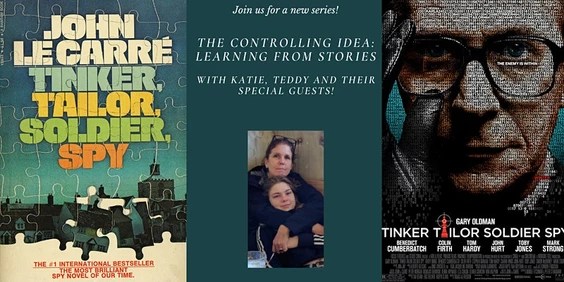 year ahead. Despite the COVID prompted cancellation of several events outside of London which I was to attend, I’ll still be busy on zoom, starting with a discussion on 17th January for Royal Borough of Kensington & Chelsea Libraries. ‘The Controlling Idea’ is a series of discussions sponsored by my publishers, Claret Press, about books which have been made into films and the first is about Le Carre’s Tinker, Tailor, Soldier, Spy. This is where I come in, as an expert guest, talking about Whitehall and the structure surrounding the security services, it’s where Opera is set, after all.
 In addition, I’ll soon be finalising Opera for the last time, for publication in September, going through the final proofs, the front and back matter and so on. There is a publicity schedule to be agreed with Claret Press too, including an online book tour and dispatching review copies, plus all the events around a book launch, including talks for libraries, book clubs and societies and, COVID permitting, an actual book tour of real bookshops. It’s exciting. Especially as Claret has a new distributor. We are already talking about flyers being handed out at Westminster and Vauxhall Cross Underground stations – an idea originally for the publication of Plague which got completely derailed by the initial outbreak of COVID. Of course, at the same time, I’ll be continuing to publicise Oracle and Plague.
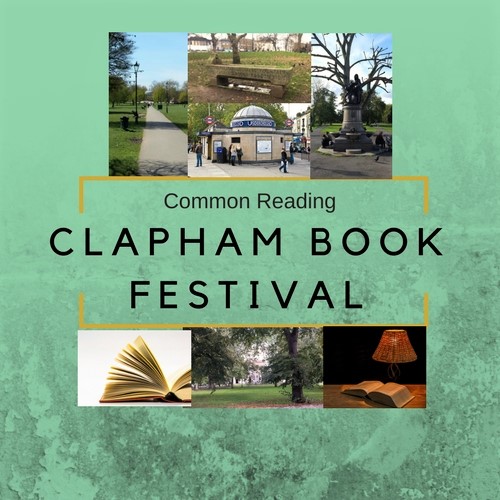 committee meeting is later this month when we hope to be able to discuss the potential programme for the event. A date for your diary is 15th October, our flagship Festival day, though we’ll be planning events around it, probably including another literary walk in Clapham and some events online with our media partners Time & Leisure magazine before and after the Festival Day.
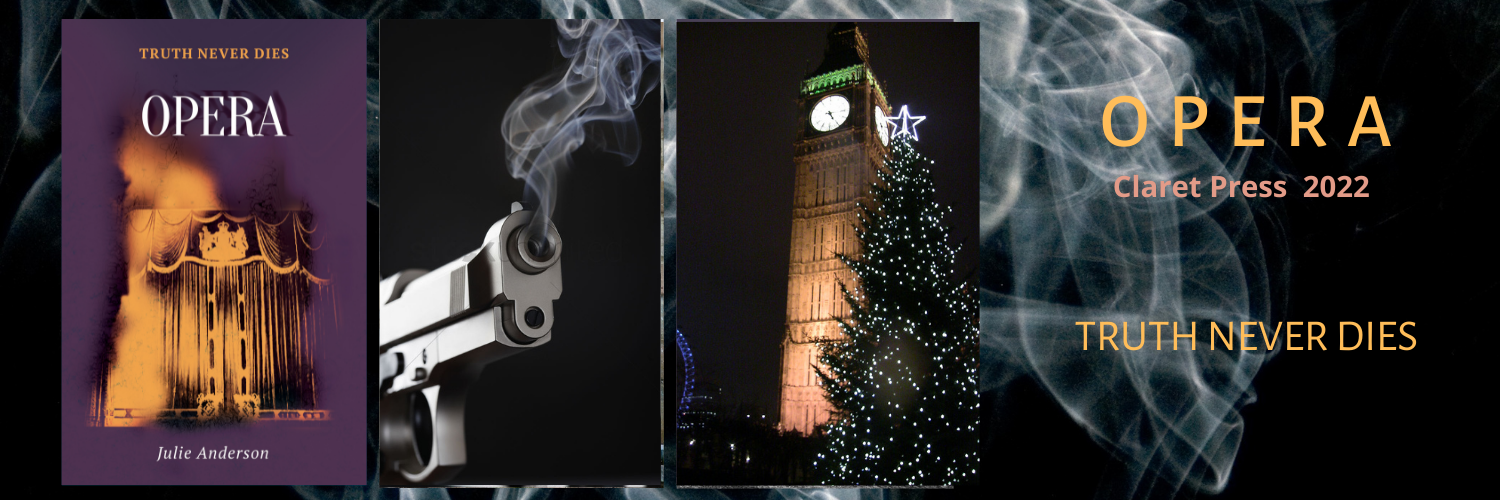 two other images set against an atmospheric background and with the tag-line in bold. This was the tenth version! Others were rejected as ‘too feminine’ and ‘insufficiently threatening’ (see the images below). I had to choose between the Downing Street sign and Big Ben too, because both weren’t needed, so I went for night and the Christmas tree, with the addition of a smoking gun! Readers of Plague and Oracle will know that each book takes places over a fixed period of time and they follow one after another, with about a month in between. Opera
 does the same, so its events happen during the fortnight before the Christmas holiday. It was only when we were playing around with the designs that the tag-line ‘Truth Never Dies’ finally emerged, though it seems particularly appropriate at the moment. GIFs will be my next challenge, but a couple of mini-MP4 videos have already been produced, building on the ‘smoking gun’ imagery (these are being kept under wraps, but see below for my Instagram post). All part of the package pre-release of the book and for distribution to the book bloggers who will review it and post reviews on social media. Animated pictures, whether on Instagram or other SM have been
 shown to have greater impact and attract more attention than non-animated content – including the attention of the algorithms which determine which posts get shown first when a hashtag is used. Good news therefore for publicists.
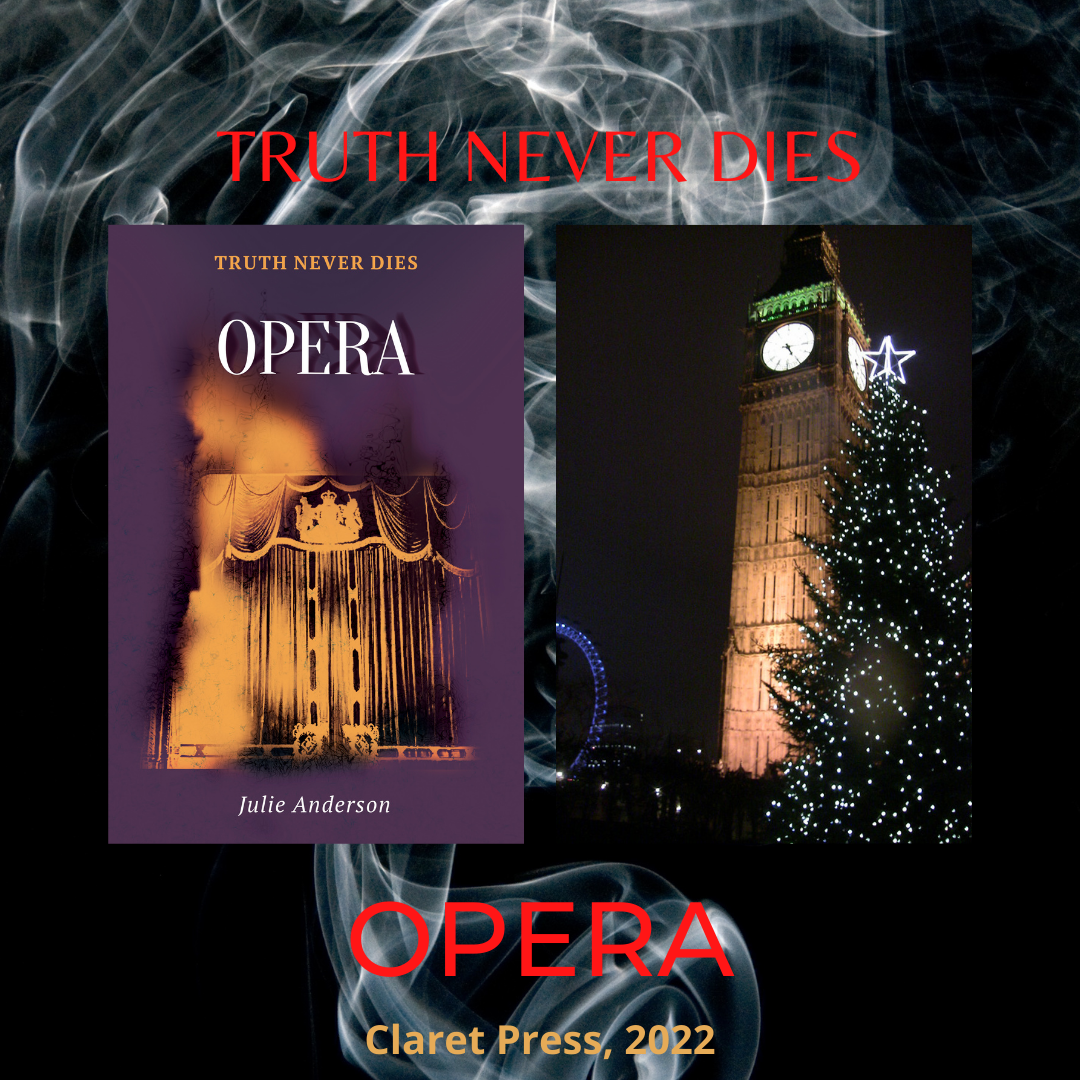 Claret and I will sit down in the New Year and agree a full publicity strategy, including pre-release publicity, whether or not to use NetGalley again (probably not), whether or not to have an online book tour (probably) and, COVID permitting, a schedule of actual bookshop signings. Publication date has been agreed as 5th September and both ebook and paperback versions will be available for pre-order in Spring. The author events with libraries, online and in person, are already being arranged. And, with Claret Press about to sign with a new distributor, this time my book will be launched into bookshops across the UK. All good news. So here is the design for my Instagram feed. Maybe next week I’ll be back to editing.
 Last Friday the revised manuscript of Opera was sent to Claret Press, so please allow me a merry little dance (or a maniacal jig, more like) of pleasure and relief. I’d worked hard on it while in Spain, completing a whole rewrite, including a restructuring – I thought it was too flabby – and this won’t be the end of the story, there will be more edits still to do. I may have missed infelicities caused by the structural changes as well as potential for improvement (there is always potential for improvement, groan). The final proof reading edit is still a long way off yet, but the manuscript has gone. Yippee!
 might be out in Spring, but the delay is unavoidable, to give Claret’s new distributors time to get it into book shops. I’m already discussing back cover blurb and tag-lines (we have arrived at the former but not the latter) and the cover design is almost done. The New Year will see us formulating a promotion and marketing strategy for events in the run up to and following launch.
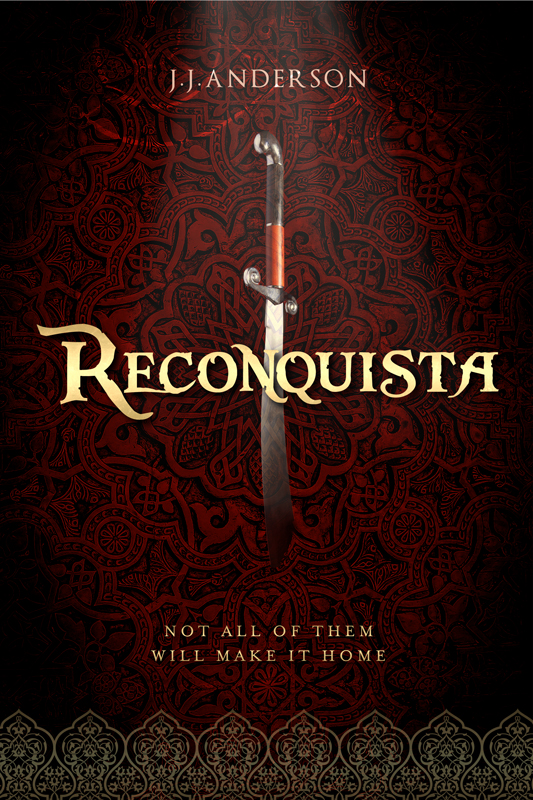 On that note, a quick look back at Plague (published September 2020) and Oracle (published May 2021), was prompted by my receiving my Public Lending Rights statement recently. Despite libraries being closed for much of the year ended June 2021, Plague has been borrowed many times (Oracle wouldn’t have made it into libraries by then) but I was surprised to see that Reconquista, my earlier novel set in 13th century Al Andalus was second most frequently borrowed. That book and its sequel, The Silver Rings, are also selling again. When I began working with Claret Press I was told that there’s nothing that sells one’s first book like the publication of one’s fourth (or fifth, or sixth) and these sales, though small, seem to bear that out, even though they aren’t crime fiction.
 . All to be read before the next edit. Participation in a recent UK Crime Book Club Quiz on Scottish crime fiction showed me just how much of that I haven’t read, smething I’ll try to remedy with some of William McIlvanney’s Laidlaw books and Quintin Jardine’s Skinner series, plus some JD Kirk. Then there are the historical crime books, like Stuart Turton’s The Devil and the Dark Water and one or two non-crime books which I missed first time round which made the best seller lists like Natalie Haynes’ A Thousand Ships. My favourite, recently consumed, is The Manningtree Witches by A.K.Blakemore. You can read what I thought of that, together with some other book recommendations for the Christmas break in
  On a grey and somewhat chilly Bank Holiday Sunday English National Opera, with the full ENO orchestra and chorus and soloists David Junghoon Kim, Natalya Romaniw and Roland Wood were at Crystal Palace Park. So were we.
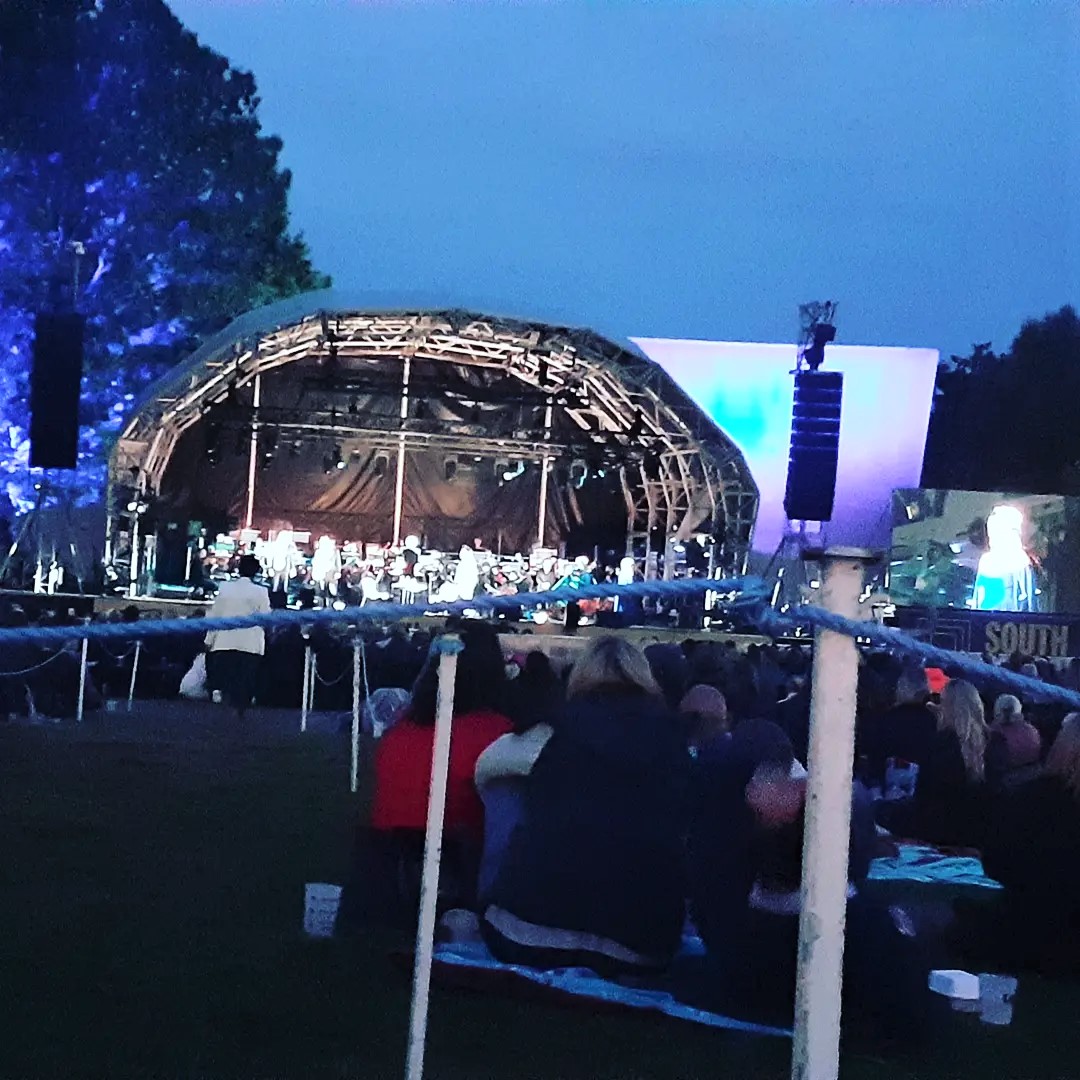 couple of burger joints, a pizza place, churros and sushi – with long queues, which meant people walking back to their places bearing food after the performance had commenced. There were bars aplenty, unfortunately they sold only hugely overpriced cans – of beer, of wine and of gin & tonic. No draught beer, no bottles of wine. And no bringing your own drinks with you. We knew this, so didn’t try, but others clearly did not and had their goodies confiscated at the entrance. Given the lack of choice and the prices charged this left a sour taste in a lot of mouths.
 the back of Zone A, only a few yards from where we sat. They weren’t pleased and understandably so.
 and powerful Cavaradossi who reached those high notes with ease. Romaniw was empassioned and exquisite – even in a park and with an audience this big, you could have heard a pin drop during ‘Vissi d’arte‘. At the end, everyone was on their feet and clapping and cheering ( and booing Scarpia, who was an excellent Roland Wood ). Though there were also folk beginning to clear away their things – it was cold by this time. The group to the immediate right of us had brought duvets, they were snug.
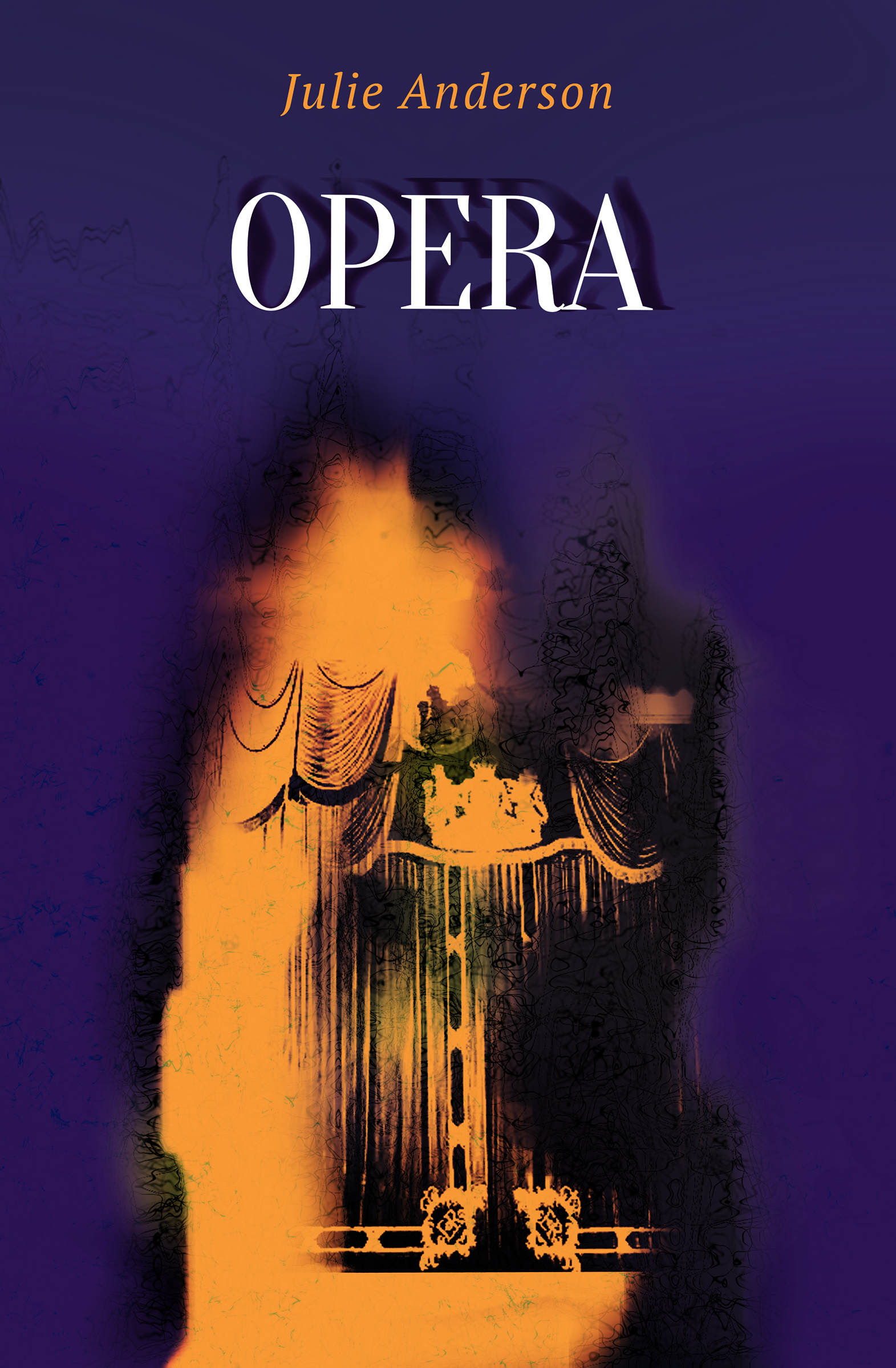
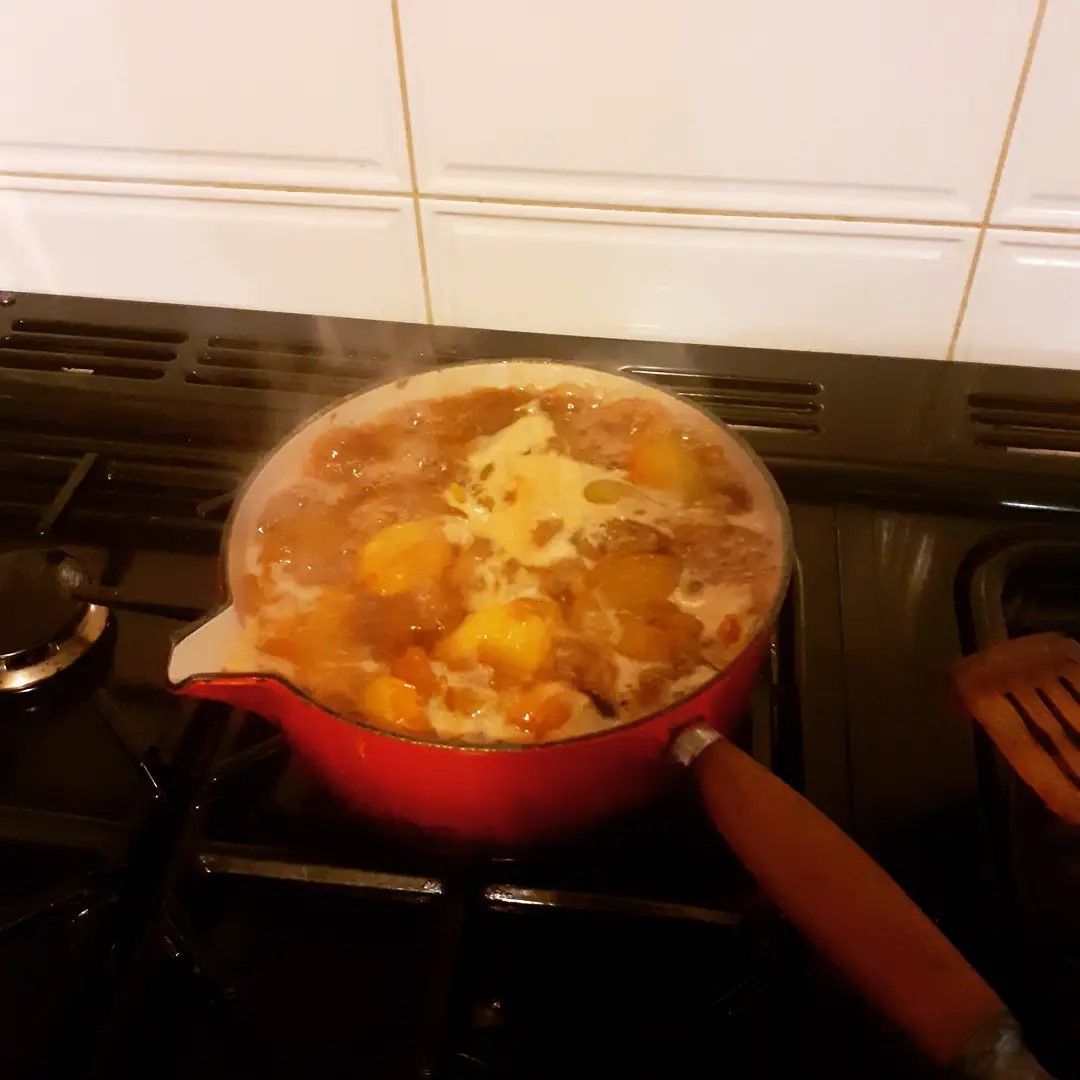 Last weekend I submitted the manuscript of Opera to Claret Press. Then I went and made some jam.
 what extremely hard work. It’s a business, an industry and many of those toiling within it do so for very little reward and recognition. As with any industry the larger entities, the Hachettes and Harper Collins, will have greater reach and a higher profile ( placing their books on supermarket shelves for example ) and the big corporate vendors, the Amazons and Waterstones will also skew the market towards those books which get the publicity and the coverage. As my friend and fellow Claret author, Steve Sheppard, says in the note in his latest novel Bored to Death in the Baltics, he ‘ought to have tried to become a celebrity first, as this would have made selling it (the book) so much easier’.
 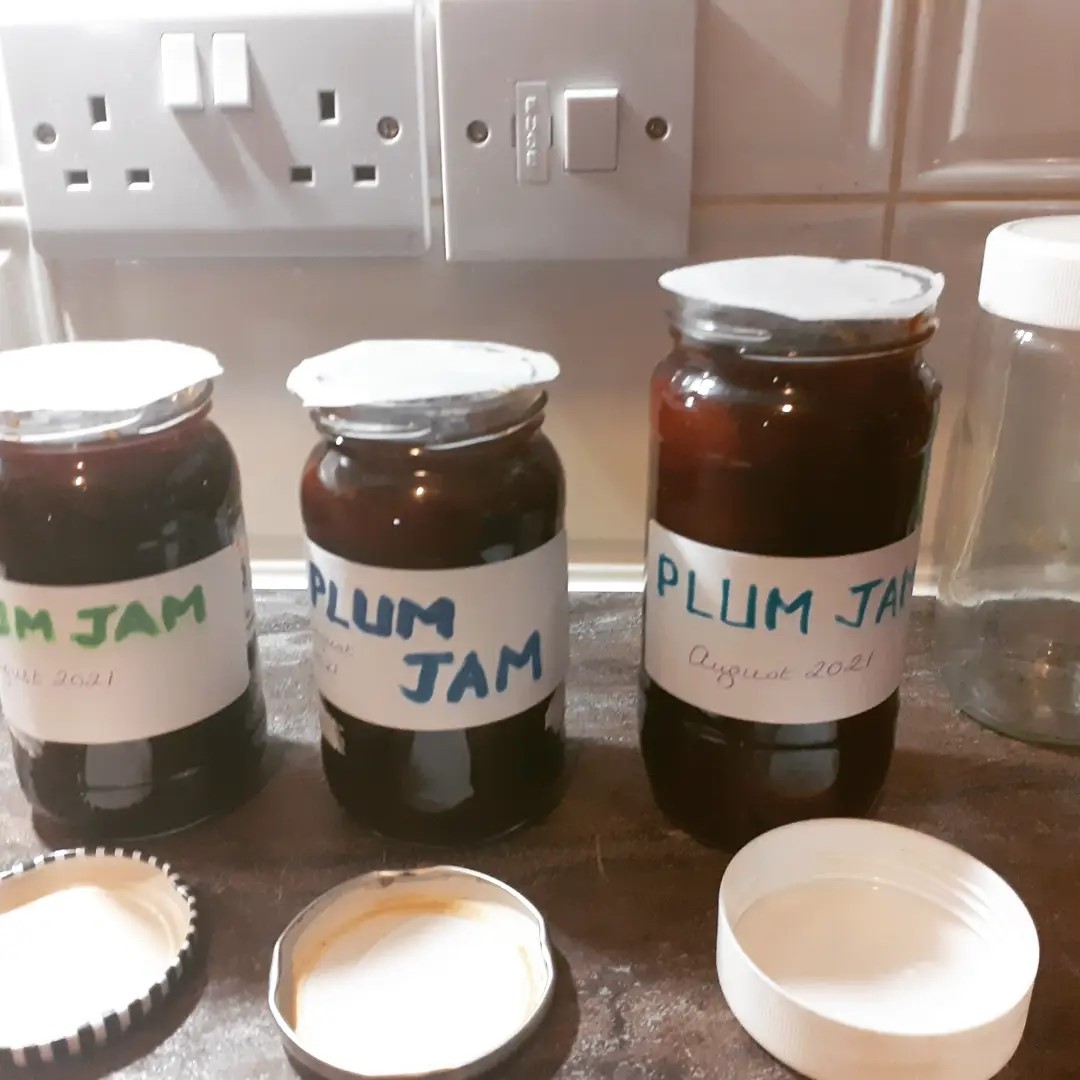 I have come to genuinely enjoy this process, though it sometimes isn’t a comfortable one. People get passionate about a work, there are disagreements and I, like any writer, am possessive about my stories. I expect to know them better and know what’s best for them, despite evidence to the contrary. But for now I have a moment’s respite, maybe a fortnight, maybe longer. I can sit back, read other books, do the garden, catch up on all those jobs… and make more jam.
 Opera noun, Italian, feminine 1 work: 2 task, job: 3 artistic creation: 4 action, deed, handiwork: opere buone goods deeds: opera lettararia literary work: opera musicale opera: opera lirica opera.
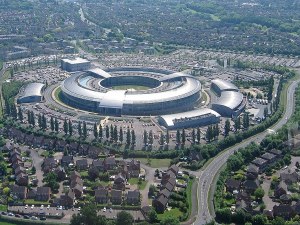 the Prime Minister, but, in Oracle she learned that this wasn’t enough and she would have to address certain matters arising from her past if she wanted to escape them. Thus she sets out, at the beginning of the third book, to find out the truth of what happened at Government Communications Head Quarters (GCHQ), her former posting, when she was forced to leave it. Until now she had believed her dismissal was because of her own failings, but begins to see that there may have been other forces at work.
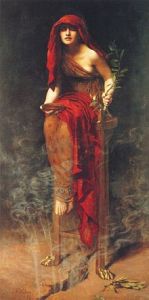 the Pythia did (though without the psychotropic gases). Cassie sought guidance from the Pythia and in Opera she seeks it from Angela. Both provide answers couched in riddles.
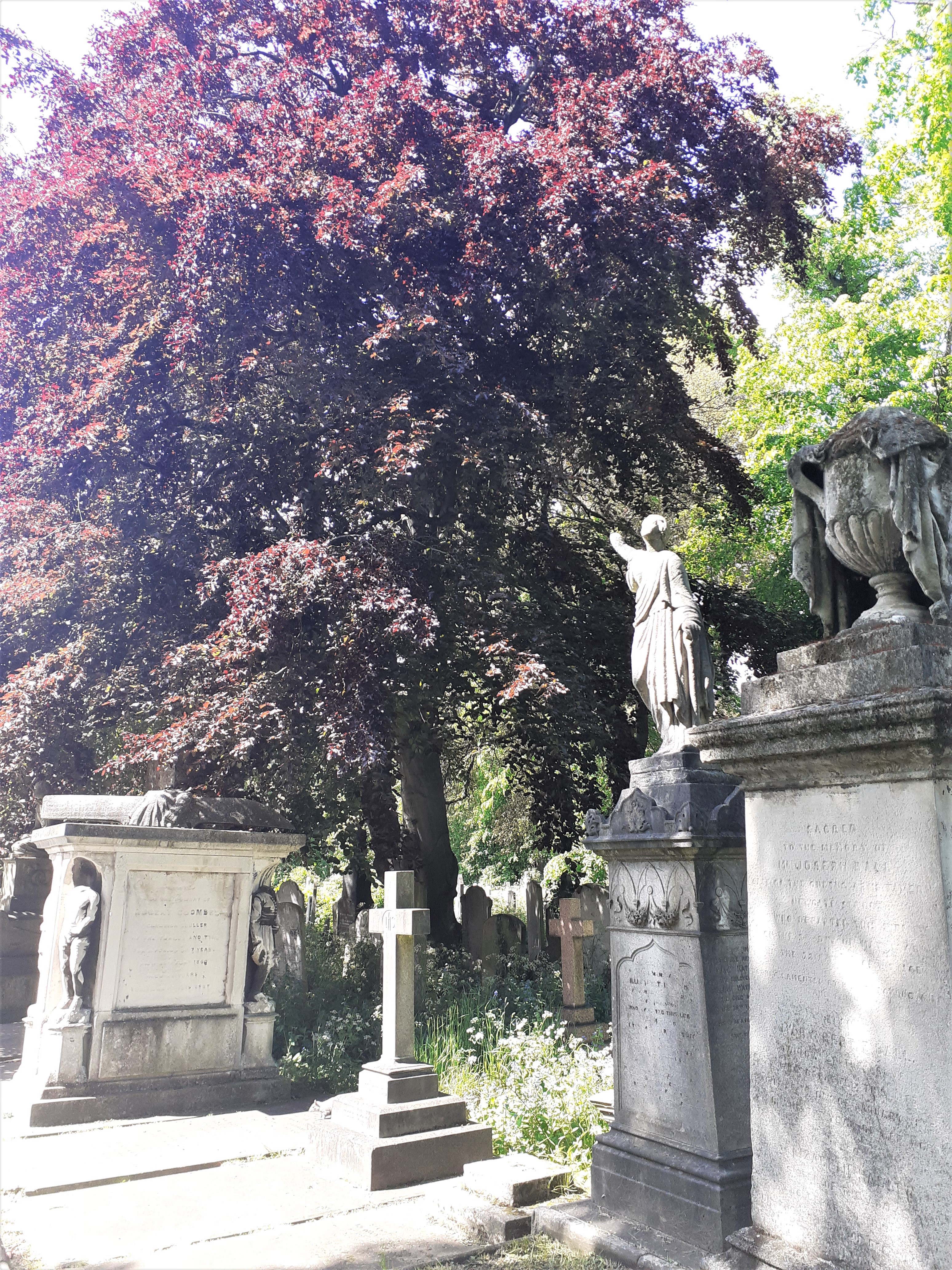 I’ve recently been out and about looking at the places in London where the third book in the Cassandra Fortune series, entitled ‘Opera‘, is set. The obvious one, the Royal Opera House, Covent Garden, is not yet open to anyone but ticket holders to socially distanced performances ( though I have a contact there for when it opens more widely ), but there are others, less obvious and, to non-Londoners, perhaps something of a revelation. If ‘Plague‘ was set in places that we all know, even if it took you to parts of those places which are usually closed to view, or hidden, ‘Opera’ will introduce some settings which are less well-known, but, I hope, people may then visit.
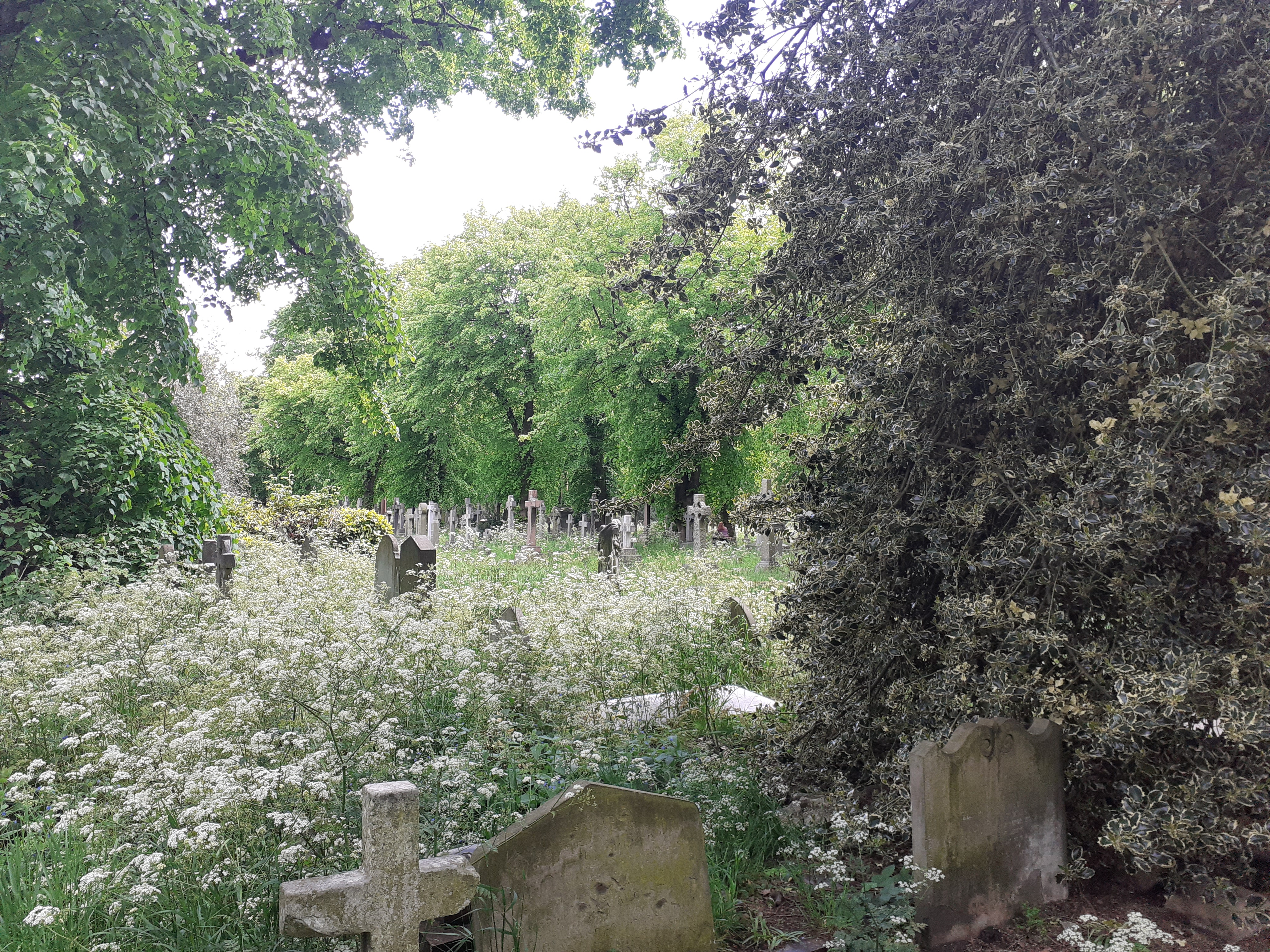 Brompton is one of the ‘Magnificent Seven’ Victorian cemeteries, which includes Highgate, with its graves of Karl Marx, George Eliot and other very famous people and Kelsall Green with its oft-filmed catacombs. While well known to locals – and a godsend during lockdowns – it is less widely known than these others. Both Kelsall Green and Tower Hamlets ( another Magnificent Seven cemetery ) featured in ‘Plague’. Brompton is owned by the Crown and run by The Royal Parks and includes many military graves, including of Commonwealth service personnel maintained by the Commonwealth War Graves Commission and many Czechoslovak, Polish and Russian military burials. It is also evidence of the diversity of Victorian London, housing as it did and does, the remains of individuals ranging from Chief Long Wolf of the Ogulala Sioux nation to Johannes Zukertorte, Jewish-Polish chess grandmaster and the Keeley and Vokes families, music hall artistes and actors. Other individuals buried here include a Mr Nutkin, Mr Brock, Mr Tod, Jeremiah Fisher and Peter Rabbett – Beatrix Potter lived nearby and was known to walk in the cemetery often, did these names inspire her?
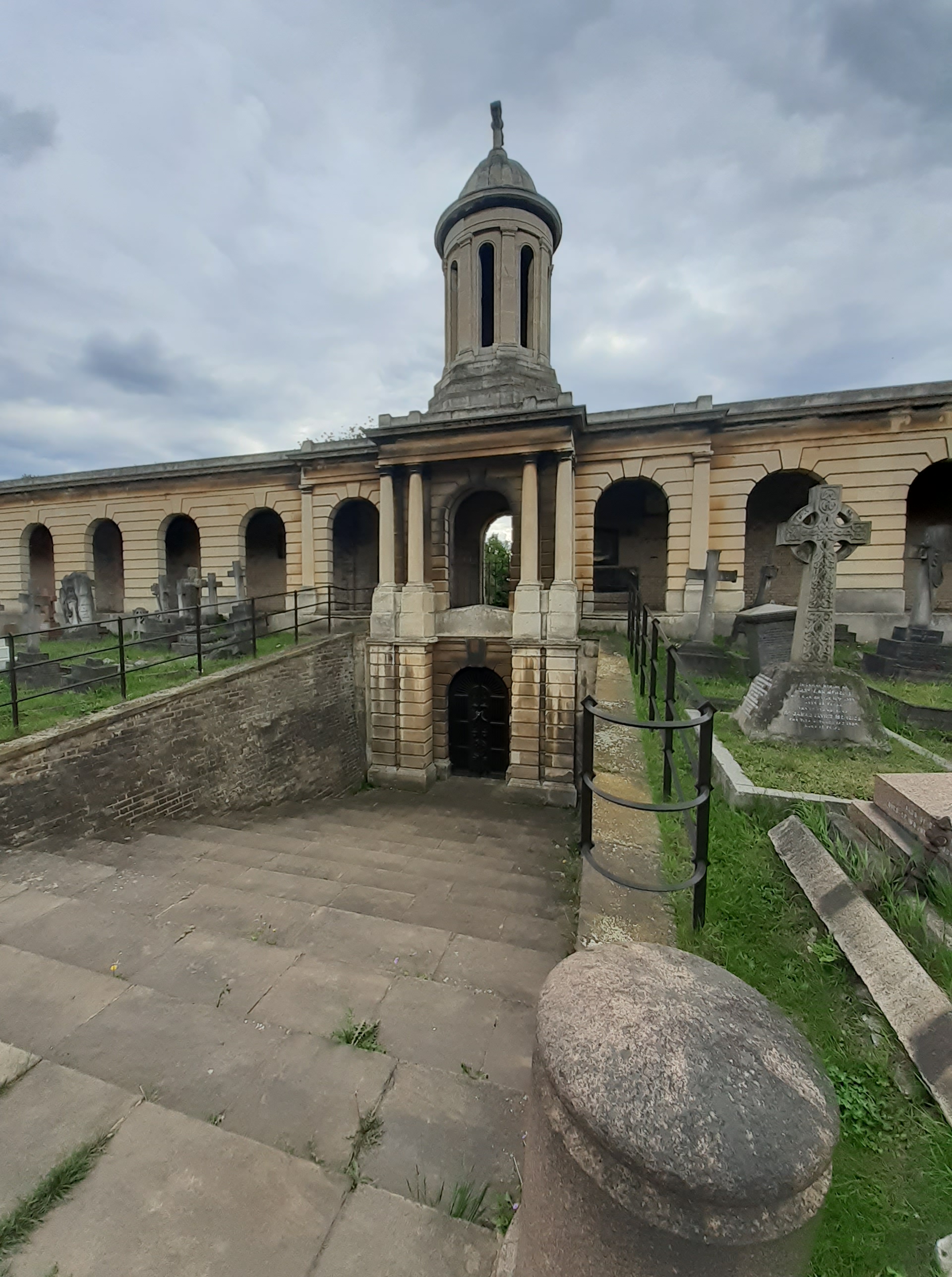 The Chapel at the cemetery’s southern end wasn’t open last week, but the grand colonnade is open all year round. Built in a style aping that of St Peter’s Square in Rome, the Colonnade runs above catacombs, which were fashionable for a brief time in Victorian London ( all too brief, additional catacombs built along the west side of the cemetery were never fully occupied ). The steps down to them are very wide and shallow, mainly because the lead-lined coffins deemed necessary for catacomb interment were extremely heavy and therefore difficult for pallbearers to carry and manoeuvre. The catacombs themselves are not open to the public except on special tours and open days and the locked metal doors, with their sculpted serpentine bas reliefs offer tantalising glimpses within.
 Julie Anderson