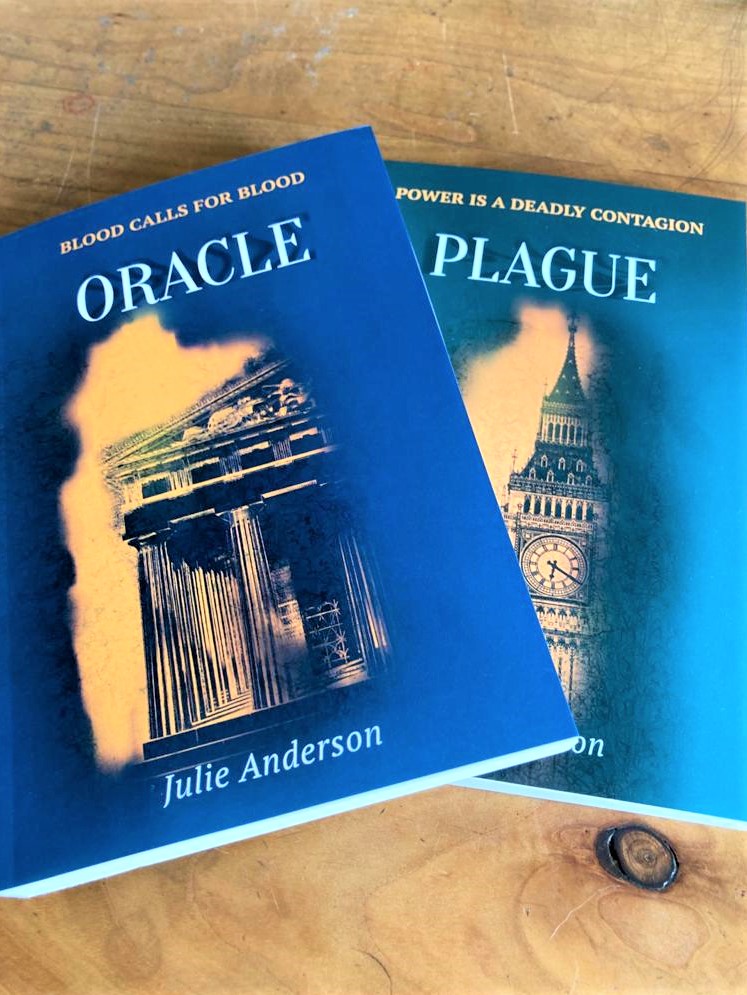
 There are always interesting things happening in the world of books, book festivals and publishing, but right now many are happening as a result, direct or otherwise, of the enforced lockdown and the removal of the usual ways in which books and literature are promoted and supported. I’ve experienced this myself, with publication of not one, but two books during COVID times. Gone were the signings, the book tours, the attending of literary festivals. My publisher’s idea of handing out the first two chapters of ‘Plague’ in a small, bound leaflet at Westminster Tube station ( the book is set in part in the Palace of Westminster ) was completely stymied by the pandemic. There were few folk emerging for work in Whitehall and even fewer tourists last year and, in any case, who was going to take a leaflet from a stranger which had PLAGUE written across the top?
 Instead, book promotion has moved even further into the virtual world. I have ‘met’ lots of people online when promoting the books in this way, people who I now think of as friends, even if I’ve never actually met them. I have invitations to Edinburgh, Newcastle and Tamworth and supporters of myself and my books across the globe, not just the book shops of south east England. I also have a network of friendly fellow authors, with whom I have appeared on panel discussions and other platforms or have coincided online with for other reasons. And I ‘know’ a host of folk via Facebook, a medium I hadn’t really used at all until very recently, but which, in COVID-times, has provided a host of alternative ‘communities’ for bookish folk – writers and readers.
 Yes, much of this could have happened anyway, events like blog tours have been going for some time now, though there is a limit on the amount of time available for book promotion and certainly a limit on my publisher’s budget, but the restrictions have been a catalyst, at least for me and, I suspect, many others. As we become familiar with the technology and comfortable with the zoomed or skyped or livestreamed world new ideas spring up and take root. There are new things afoot in the world of book bloggers with live author chats, discussions between bloggers about books and with book club events – e.g. Mairéad Hearne at Swirl and Thread is hosting launches, Poppy Loves Book Club is hosting a series of online events and the lovely folk at the UK Crime Book Club host regular author chats and discussions and authors reading from their books – to name but three. These are all offering free events ( as long as you have the internet, of course ).
 Some things will never be the same again I suspect. Livestreaming, a lifeline for dark theatres and closed halls, is here to stay for performance generally, reaching wider, more dispersed audiences. Many festivals of all kinds, including Clapham Book Festival, will offer livestreaming alternatives alongside live events. Our partners, Omnibus Theatre certainly plans to do so. All of which is a boon to those who would not be able to attend events like this in the normal course of things, the infirm or elderly, or those living in isolated, or culturally deprived, locations. They can now not just watch but contribute to and take part in events – which would have been unthinkable before. None of the libraries I’ve done sessions for, sometimes structured ‘talks’, sometimes conversations, plan to retreat from these online events, though they will return to providing ‘live’ ones too. Let’s hope that they’re staffed to do so. Festivals too are going online. And the Clapham Book festival is no exception – more news on that in due course.
 And it will probably will never be the same again!
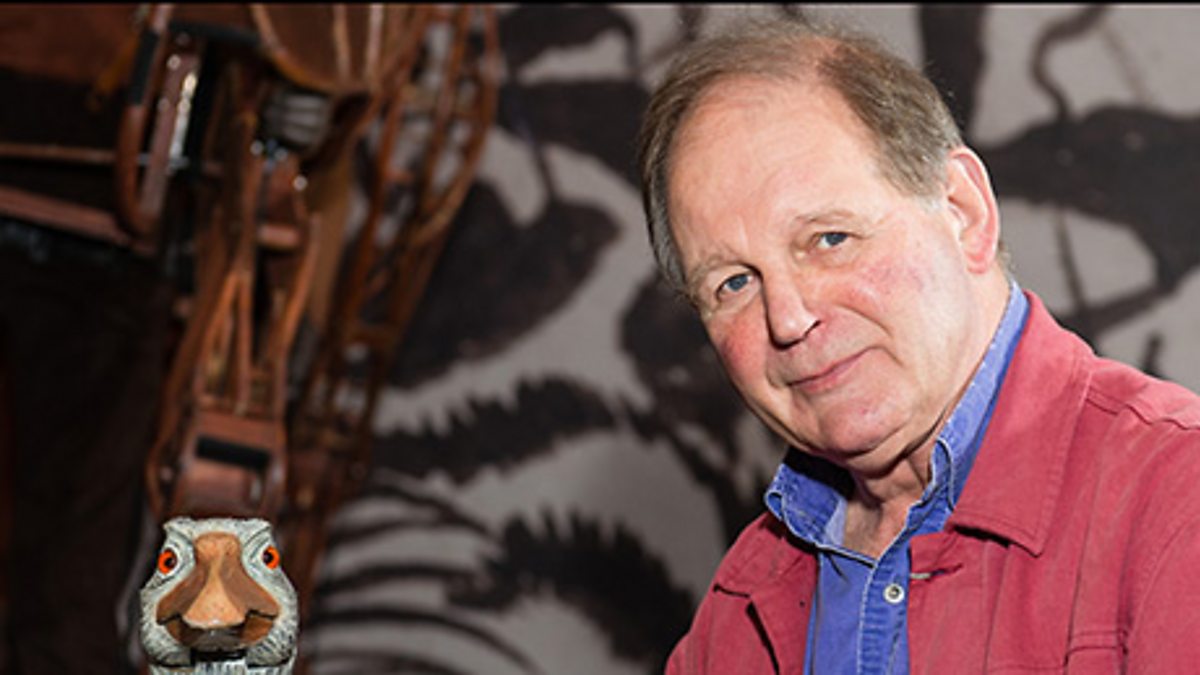 City Children in 1976 and the charity now owns three farms in Wales, Devon and Gloucestershire. His most famous work is probably War Horse, which was adapted for the stage and became the most successful National Theatre production ever, being seen by over ten million people worldwide. It was made into a cinema film, directed by Stephen Spielberg, in 2011. He recently presented the Radio 4 series ‘Folk Journeys’ in which he considered some of the greatest songs ever composed. Sir Michael’s latest book is When Fishes Flew, illustrated by George Butler, to be published this Autumn.
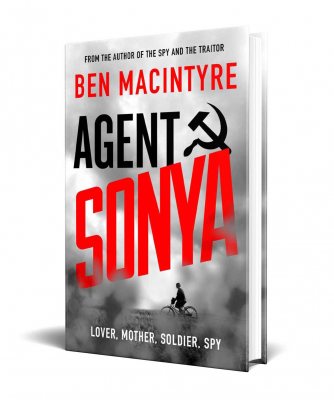 Ben Macintyre is an author, historian, reviewer and columnist for The Times newspaper. His most recent book, Agent Sonya, is a biography of Soviet agent Ursula Kuczinsky, has been acclaimed as a thriller as well as a piece of history. Both events will be livestreamed and live stream ticket holders will receive a copy of the respective author’s book. If we are in another lockdown or under other restrictions in force the event will go ahead as a livestream only, or, potentially as a zoom event.
 discussion there is in each group). Ticket numbers will be limited so it’ll be important to book early. We hope the walks can take place in any circumstances but a strict lockdown.
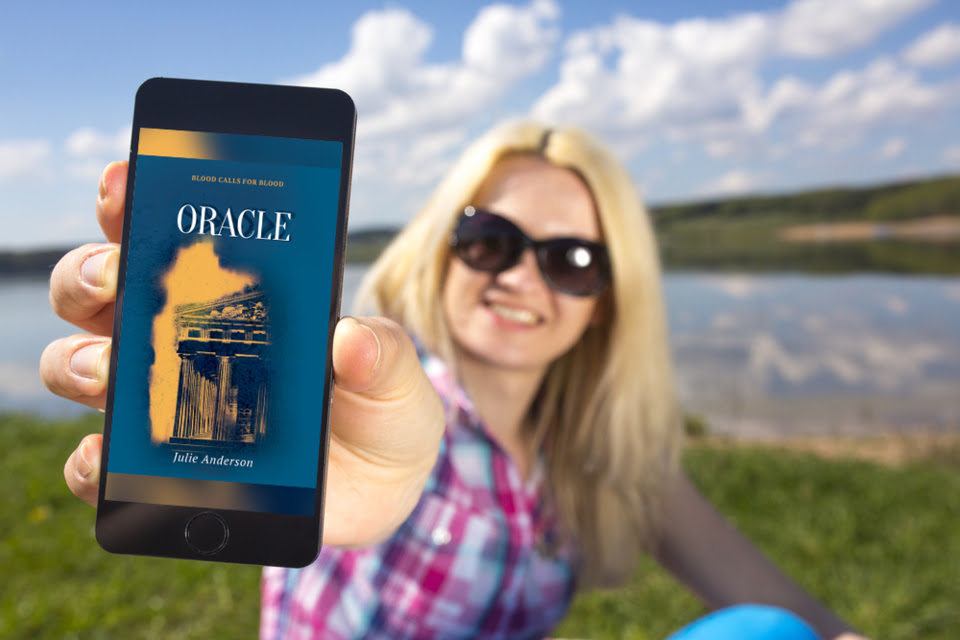 So ‘Oracle’ is loose upon the world, at first with a tentative snuffling, a rootling, then a leaping and bounding – into reader’s hands, hearts and minds, I hope. There isn’t a launch, not even a virtual one, there are better ways to spend one’s energy and time right now, though I would like to give a heartfelt thank you to all those people who have supported me and the book and congratulated me and wished the book well.
 ( Jacky founded Newcastle Noir, was instrumental in the Edinburgh Noir at the Bar and most recently, has been deeply involved with Gwyl Crime Cymru, Wales’ first Crime Fiction Festival ). This will be broadcast on Thursday 6th May – it’s free to air and you can find it here, when I get the link. I’ve also been chatting on StreamYard with Sam Brownley of the UK Crime Book Club. I’ll be doing a talk for the Royal Borough of Kensington & Chelsea and Westminster Libraries too, on 17th May. It’s free but you need to register ( tickets from
 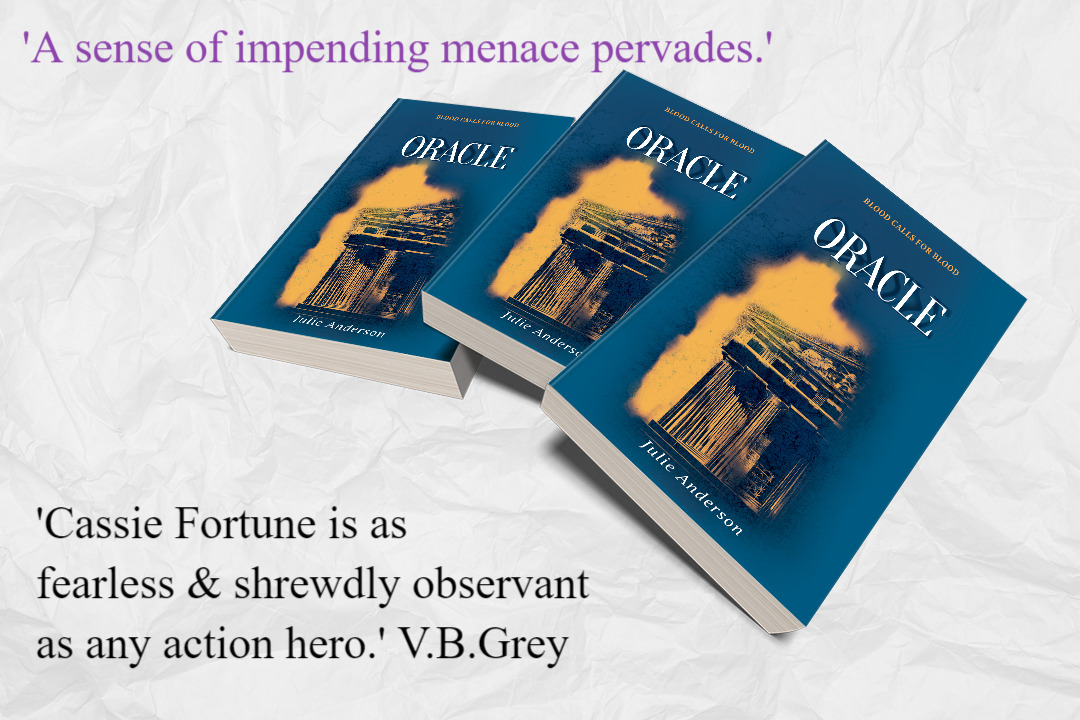 This weekend, with three days to go until ‘Oracle’ is published, I had planned to do another ‘run down’ type post. Something I came across on Twitter, however, changed my mind. This piece is written in gratitude to all those book bloggers who have reviewed ‘Oracle’ and/or ‘Plague’ before it, or carried articles or other pieces about either of those books.
 or virtual. It tells you that the book is out there and carries a simple message about it (see above). It’s pure publicity. This, like a billboard ad, can prompt people into buying. But if a potential reader wants to know more and whether or not the book is for them before they buy, detail is required and the limited length of Instagram posts precludes this. Step forward the book blogger, offering a considered review of a book’s strengths and, if necessary, less strong areas ( though most book bloggers won’t post negative reviews ).
 It’s also in the wider interests of publishers, publicists and authors to encourage discussion about books, to widen reader’s horizons and engage more people in reading. This is what book bloggers do, sometimes via Blog Tours, or by just posting their own thoughts about what they are reading. And, in the time of COVID, both have been important in drumming up publicity and support for books which would, otherwise, have sunk without trace.
 In Aethiopica, an ancient novel by Heliodorus, a central character who is a priest of the Egyptian goddess Isis, describes Delphi as where the divine can be found, a natural fortress, beloved of Nature. Other ancient writers commented on its hidden aspect. It’s certainly true that the mountain itself seems to protect the sanctuary, denying the visitor any faraway view, hiding the site until the traveller rounds the last craggy outcrop and sees the Temple nestling in a bowl of the mountain, the harsh, grey granite rising up behind. It must, in the days of its full splendour, have been a truly stunning sight. The marble of its many buildings reflecting the sunlight and glowing golden at dusk as the pilgrims climbed the paths to the Temple, to petition the Oracle of the God Apollo for answers, the last rays of the sun glinting in the gold which topped many of the monuments. It’s still fairly impressive now.
 As Nico, an employee of Delphi Museum and a character in my novel, says ‘The temple ruins you’ll see today date back to 320 BCE. It’s the sixth Temple of Apollo to stand here, ‘though the site has been sacred for millenia.’ The Sacred Way, the stone pathway which zigzags across the mountain slope, rising towards the Temple Terrace, is a relatively modern addition, in the 5th and 6th centuries CE and, though this is the route followed by modern visitors, the Temple site BCE would have had several entrances and paths and sets of steps between paths, not unlike those in the town of Delphi today.
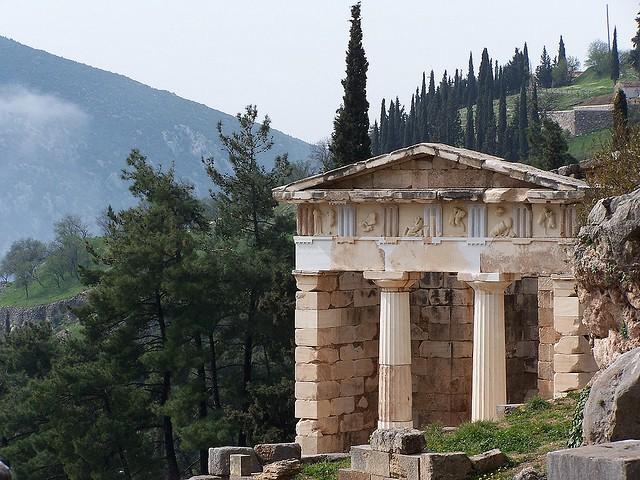 boundary walls constructed in the sixth century BCE. The square addition of the Roman Agora is on the right and the ancient Amphitheatre is directly behind the massive Temple itself. The Temple was the heart of the sanctuary, its Terrace packed with monuments, statuary and other offerings to the God. Many of the box-like buildings you can see on the slopes below it were Treasuries, belonging to city states, islands, countries, where their special offerings were stored. The Treasury of the Athenians, which features in ‘Oracle’ is the best restored. Originally dedicated after the victory at Marathon the restoration took place in the early twentieth century with money raised from the modern city of Athens.
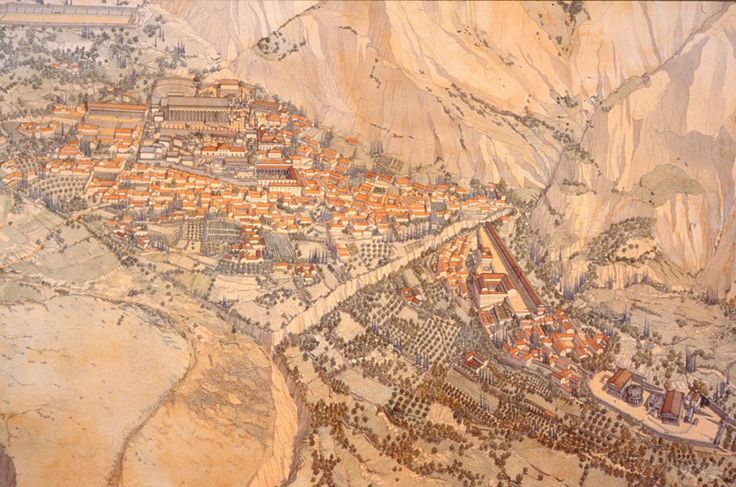 version of Golvin’s watercolour. This stands at the bottom right of the picture (right) just beyond the Gymnasium – you can see the long running track – and plunge pool. This was where athletic members of the public would work out and train. The Sanctuary Stadium, where the Pythian Games were held, is much higher up the mountain, its edge can be seen in the top left hand corner of the larger picture. It is from the Stadium that my heroine looks down on the precinct – ‘It was easy to understand why this place had been sacred for so long’ she says. ‘It was so still, a sense of the divine so near to the surface. It had astonishing drama and beauty.’ And it still does.
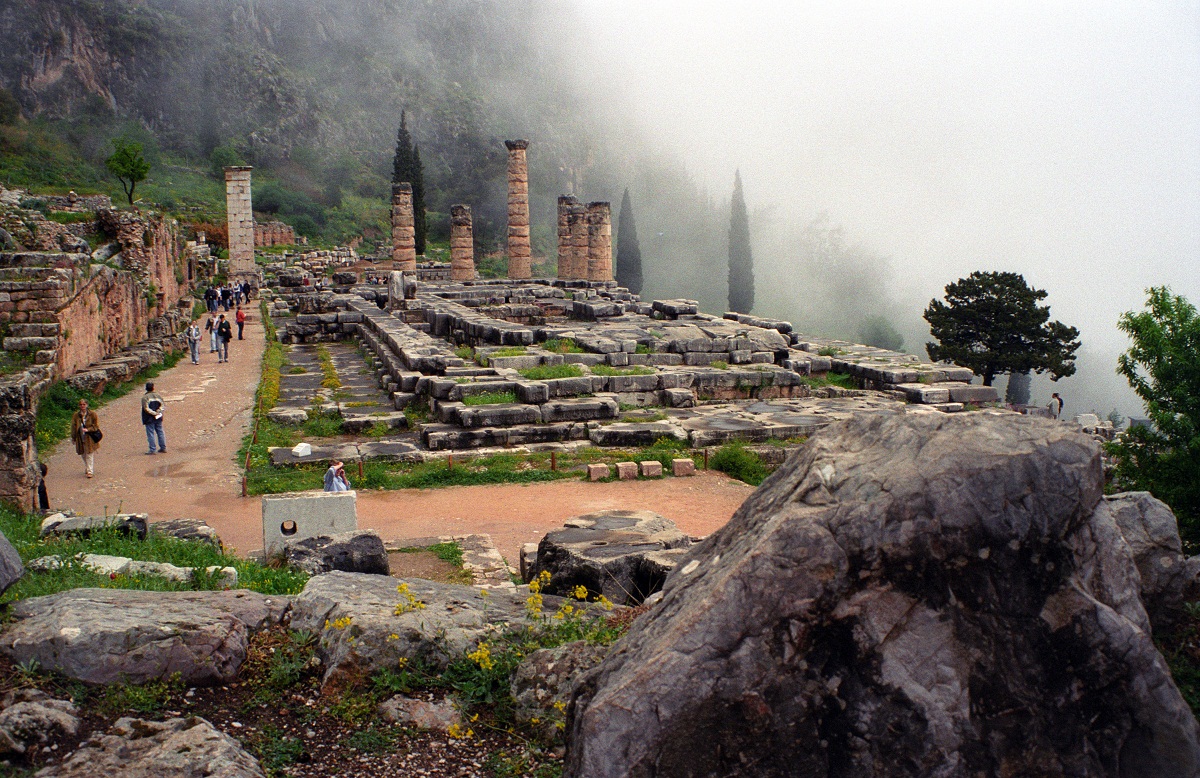 various forms of a council representing, at least nominally, all of Greece. There was a decided element of outshining the competition, with cities and other dedicatees, building ‘bigger and better’ than their fellows. Not least of the rivalries was that between Athens and Sparta, as you would expect, but there were others, often reflecting the political tensions of the day. In all there were three Sacred Wars for the prize of virtual overlordship of Delphi, dominating the council, and more than one political enemy was flung from the top of the Phaedriades cliffs as a blasphemer (planting evidence of stolen goods which had been dedicated to the God was a common trick).
 Mount Parnassus, at over eight thousand feet high, is one of the highest and largest mountains in Greece and it towers over the Gulf of Corinth. Its name means the mountain of the house of the god and that god is Apollo. Believed by ancient Greeks to be the centre of the world, Delphi and the area around it on Parnassus has been a place of habitation since Neolithic times. It was already old when the Hellenic Apollo arrived to wrestle with the Pytho, the snake of the Goddess Gaia, the Great Mother and to take over the sanctuary.
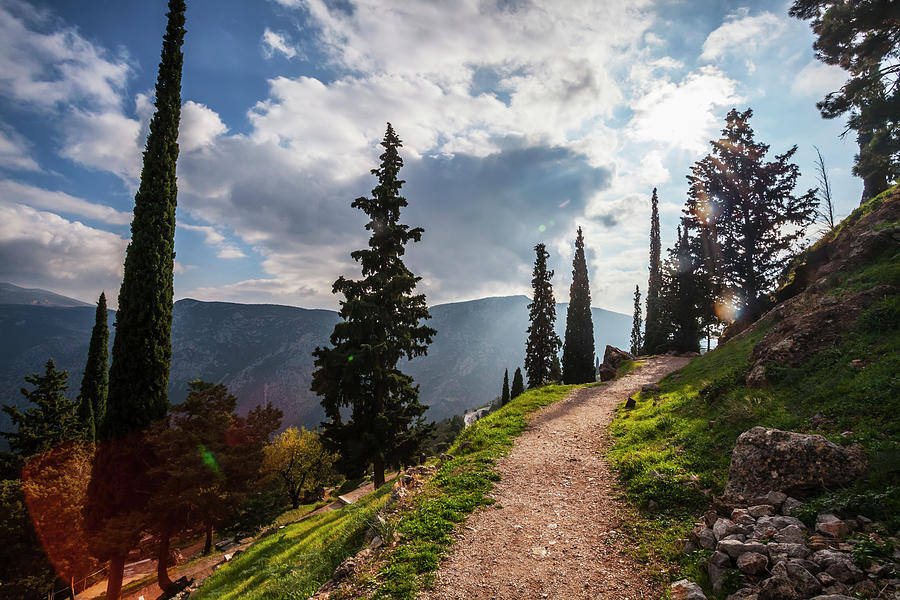 The mountain is a great place for walking, with many accessible trails and much of it, about 36,000 acres, designated as a National Park. Some of its flora is of protected species and birds of prey, wolves and boars are not uncommon. There are plenty of viewpoints and small walker’s lodges to aim for. You can walk to the ancient Corycian Cave where people have lived since Neolithic times or trek across to stand at the top of the Phaedriades, huge cliffs called the ‘shining ones’ which tower above the temple site. Or visit the Castalian Spring at the foot of the Phaedriades, where the Pythia
 bathed in ritual purification before she entered the Temple and became the Oracle of the God. I like that this place was dedicated to Gaia the Great Mother before it passed to Apollo and that it was a woman, or women, who spoke with the God’s voice even after Apollo took over. I’m not sure I’d have fancied the ritual outdoor bathing in non-summer months though, it can be cold this high up. In Winter Parnassus has its ski centre, the largest in Greece with sixteen ski-lifts. Athenians flock their for the winter sports.
  been very difficult, so the Temple, in effect, shut down until spring came ). Parnassus was also said to be the home of the Muses and it was the supposed presence of these semi-deities which prompted some nineteenth century French poets to give the mountain’s name to their literary movement, Parnassism. This was a reposte to Romanticism, calling for a return to classicism and classical forms. Primarily, though not exclusively, influential among poets it was particularly strong in Paris and the place south of the Seine where the poetry readings were held was commonly referred to using the mountain’s name. This subsequently became the Parisian district known as Montparnasse. In the early part of the twentieth century this area became the vibrant artistic hub of the French capital, migrating from Montmartre, which had, by then, become more establishment. So the ‘mountain of the home of the god’ is also a Parisian suburb, noted, today, for its tower and its huge cemetery, where many famous writers are buried.
 My fiction is very much located in real places – place is very important to me. So ‘Plague’ is a novel of London, it couldn’t really take place anywhere else. So much so that I have created a ‘Walk of the Book’ – there’s a free leaflet showing you how to visit the locations which feature in the book and walk the course of the ‘lost’ River Tyburn, if you’re ever in London and want to do a city walk. You can find it on the Welcome page of this website.
 read physical books, an object which is in my hand and which I do not look beyond. Many people don’t read this way, they use Kindles or similar devices which link to the internet. So there’s plenty of software available, Open Street, Bing, Google or OS, which will find them a map on their device.
 Club. I explained my dilemma and asked their opinion. This prompted many comments ( one hundred and forty two people contributed ) overwhelmingly in favour of maps. Some fellow writers disagreed, however, saying, for example ‘I prefer to have my readers follow where I take them.’ and ‘If a book needs a map to make sense of the story or plot then the story/plot isn’t clear enough.’ Some readers gave maps the thumbs down too e.g. ‘Don’t like a map and timeline etc. It complicates and distracts from just naturally drinking in the narrative of the book.’ but the vast majority were in favour.
 of where everything is in relation to everything else.’
 So to Sadlers Wells Theatre for the annual Flamenco Festival in north London. This time I had only returned from Jerez de la Frontera the day before and I went to see Santiago Lara and Mercedes Ruiz who hail from that city. I have written about this married couple before ( see
  and Eduardo Guerrero, who I have tried to see several times at the Jerez Festival, only to be stymied by the schedule. Accompanied by rising singing star Maria Fernandez Benitez, known as Maria ‘Terremoto’, and male singers, Emilio Florido and Ismael ‘el Bola’. They were billed as the Gala Flamenca and it was excellent.
 The programme began with Morena dancing an alegria. As is always the case with British theatre audiences, while the dancing was well received, there was little feedback between performer and audience until the end of each piece. This contrasts with watching flamenco in Jerez, when the audience is supposed, even obliged, to clap, shout encouragement and cheer during the performance. I was very pleased therefore when a particularly spectacular series of steps ended with a sweeping flourish and a spontaneous cheer from the audience. I noticed Lara, who was nearest the edge of the stage, start to smile. The performance had ‘taken’ and the audience were bound in.
 Mercedes Ruiz. Ruiz, dressed in black, male garb performed accompanied only by the singing and her own castanets and stamping feet. She was outstanding. The audience was well and truly captured by now, so much so that Ruiz could be playful, making us laugh as well as astounding us with her artistry. How could anyone top that?
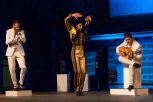 Well, then came Eduardo Guerrero, long black hair flying, in a stunning Cana. Guerrero’s arabesques were straight out of the Miguel Linan playbook, athletic, fluid and captivating. What was not was the truly amazing footwork which followed, which had the audience, by now half way to behaving like Jerezanos, applauding and cheering with every flourish. As a female member of our group said afterwards, he was gorgeous and absolutely commanding ( and the dancing was pretty good too ).
 Julie Anderson