 Chelsea, or the Royal Horticultural Society Chelsea Flower Show, happens in May. It has happened in May for as long as I can remember ( and I’ve been going, on and off, for thirty years or more ), but in 2021, thanks to COVID-19, it took place in September. I went along.
 First impression – there were far fewer people at the show. This was a huge plus for those of us who were there! Only people who’ve attended this show realise just how crushed and sometimes unpleasantly crowded it can be. There was still excitement, but much less stress. Numbers had been restricted and, even so, all the tickets had not been sold. That didn’t surprise me – at almost £100 per day ticket and taking place at the ‘wrong’ time of year. This is too expensive, oh RHS. It’s supposed to be a show for gardeners, not just for the wealthy who can afford it. Plenty of folk will simply have decided to watch the BBC’s blanket coverage on the TV instead and they won’t be returning. Aren’t you trying to appeal to more people not fewer? This is how to make your (currently very popular) product into a ghetto (albeit a well-heeled one).
Second impression – this was a somewhat underpowered show. There were fewer contributors of all kinds, fewer show gardens, no ‘artisan’ gardens, fewer Grand Pavilion stands. The RHS had tried to fill the gaps, but, overall, rather unsuccessfully, I thought. I’ve never seen the Grand Pavilion so empty and, while it was undoubtedly the case that there was a real attempt to spread things out because of COVID, there were also some of the usual stands missing. I understand that some of regular exhibitors weren’t there because of, they said, the difficulty in preparing blooms for September, but how can it be more difficult than preparing blooms in the early and cold part of the year for display in May? So I missed stands like Bloms Bulbs, David Austen and other well-known growers.
What about replacements? It’s Autumn – season of mists and mellow fruitfulness – there was even a  Harvest Moon on Tuesday night. Where were the stands celebrating that? Pumpkins and squashes appeared as a theme, but what about some of the other seasonal produce? My fig tree is producing. My roses are still blooming, in what has been a fabulous year for roses, at least in the south east of England, where were these? Didn’t the brains at the RHS come up with alternatives? Or did they do so, only to find that growers and supporters weren’t going to play ball? Missed opportunity.
There was, nonetheless, much that was interesting and new. A stand from Penzance specialising in Restios which look like grasses, but are as a species, many millions of years older. They were stunning. There were new garden categories too, which needed less preparation time and construction, the Balcony Gardens and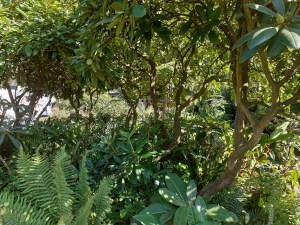 the Container Gardens, the latter more successful, in my opinion.
Of course a good time was had, meeting up at Chelsea is an annual ritual and especially welcome after recent restrictions. Pimms was drunk, new people were met, the sun shone and the band played. Not quite back to business as usual though and it was interesting that we were contemplating other garden festivals where we could do all this and be rather better serviced (lunch has become impossible, even getting seats in a cafe/tent for a group of more than six is difficult). We all moved north to Chatsworth when that began, maybe next year it’ll be Hampton Court, or Malvern, or Rosemoor? I love Chelsea, but our relationship needs a serious looking at. Who knows what will happen next year.
 Or the sound of the sea. There is nothing quite like that ever repeating, calming background pulse of water falling upon sand. Or indeed the fierce cacophony of wind whipped breakers on rocks or cliffs. Last week I was enjoying the former.
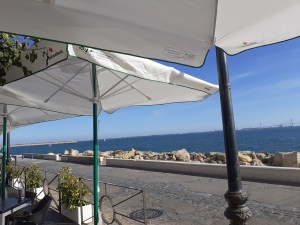 smart central shopping area and a grand Plaza de Toro ( the people of El Puerto are keen on the traditions of old Andalucia and old Spain ). There are plush modern suburbs, like Vista Hermosa, full of large villas built in the traditional style each surrounded by private gardens, often rented out to officers from the American Naval Base at Rota. There are also holiday apartments, in Las Redes and at El Manantial, owned in part by locals, but favoured too by visitors from Madrid and Sevilla.
 El Puerto is much more of a holiday destination than Jerez, with its many beaches which, like all Spanish beaches, have names (see above). There is the town beach, with children’s play areas, soft golden sand and tiled promenade with gardens, Vista Hermosa’s beach, beyond what had used to be the Club 18 -30, which has been raised and is about to be replaced with a five star hotel; and there’s a glossy marina called Puerto Sherry. The Spanish Olympic Yachting Association sails out of here and, on the day when I visited, there were some rather expensive, ocean-going yachts moored behind the lighthouse mole.
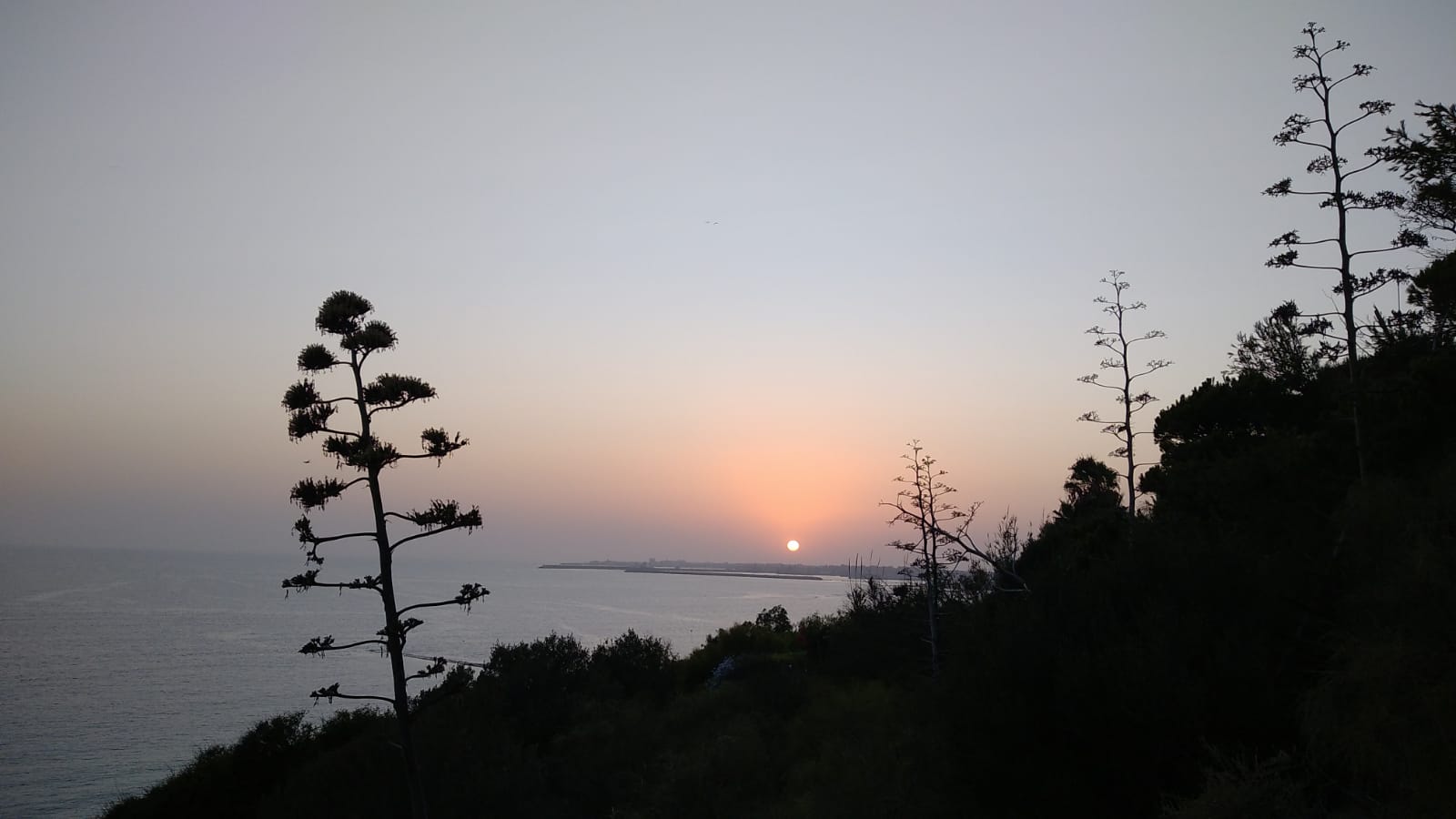
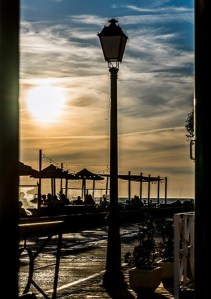 the Bay (see photos, courtesy of Deborah Powell) with a view across to Cadiz and one pays a premium for the location. When we visited there was the bonus of a tall ship. The people frequenting the bars along here are, largely, wealthy holiday makers and yacht owners, Spanish and foreign. The locals work in them. They were, however, extremely welcoming of Thai and Goa, Deborah’s two labradors. We sat and watched the sun set and the lights of Cadiz begin to glow.
 gone back to the city. The beach bars are few and far between, though the clam sellers (and sellers of sweets and snacks) push their gaily coloured carts along on the hard sand, crying their wares. Much less smart. And soon they too would pack up and leave, the season having finished. The beach would become much quieter, the bailiwick of locals only.
 still finding interesting places new to me, sometimes close to home. Ten days ago I found myself in Stockwell.
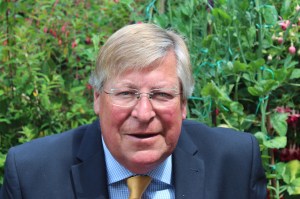 Leisure Magazine. It was somewhat daunting, to be interviewing the man who had interviewed so many famous, and infamous, people and whose voice had formed part of the backdrop to my mornings for so many years. Stourton was a main presenter on Radio 4’s Today Programme for a decade – as well as The World at One and The World This Weekend, both of which he still does on occasion.
 not to be late, I was ridiculously early. So I wandered towards the address I had been given and discovered, for the first time, Stockwell Park or the Stockwell Conservation Area. It received that designation in 1973 and covers the old Stockwell Green (the 15th century manor house which formerly stood there has links with Thomas Cromwell) and the later 19th century developments of Stockwell Crescent and the roads running from it. Built primarily in the 1830s the surviving buildings are elegant early Victorian villas with gardens. They were built to different designs, which distinguishes them from the smaller, ‘pattern built’ south London Victoriana elsewhere (like some of my beloved Clapham).
 found St Michael’s Church of England church (consecrated 1841) and a blue plaque marking the home of Lillian Bayliss, Director of the Old Vic and Sadlers Wells theatres and founder of the forerunners of the English National Opera, the National Theatre and the Royal Ballet. The whole enclave was a delight and so very near to the busy Stockwell Road which runs directly into the City. I never knew it existed.
 On a grey and somewhat chilly Bank Holiday Sunday English National Opera, with the full ENO orchestra and chorus and soloists David Junghoon Kim, Natalya Romaniw and Roland Wood were at Crystal Palace Park. So were we.
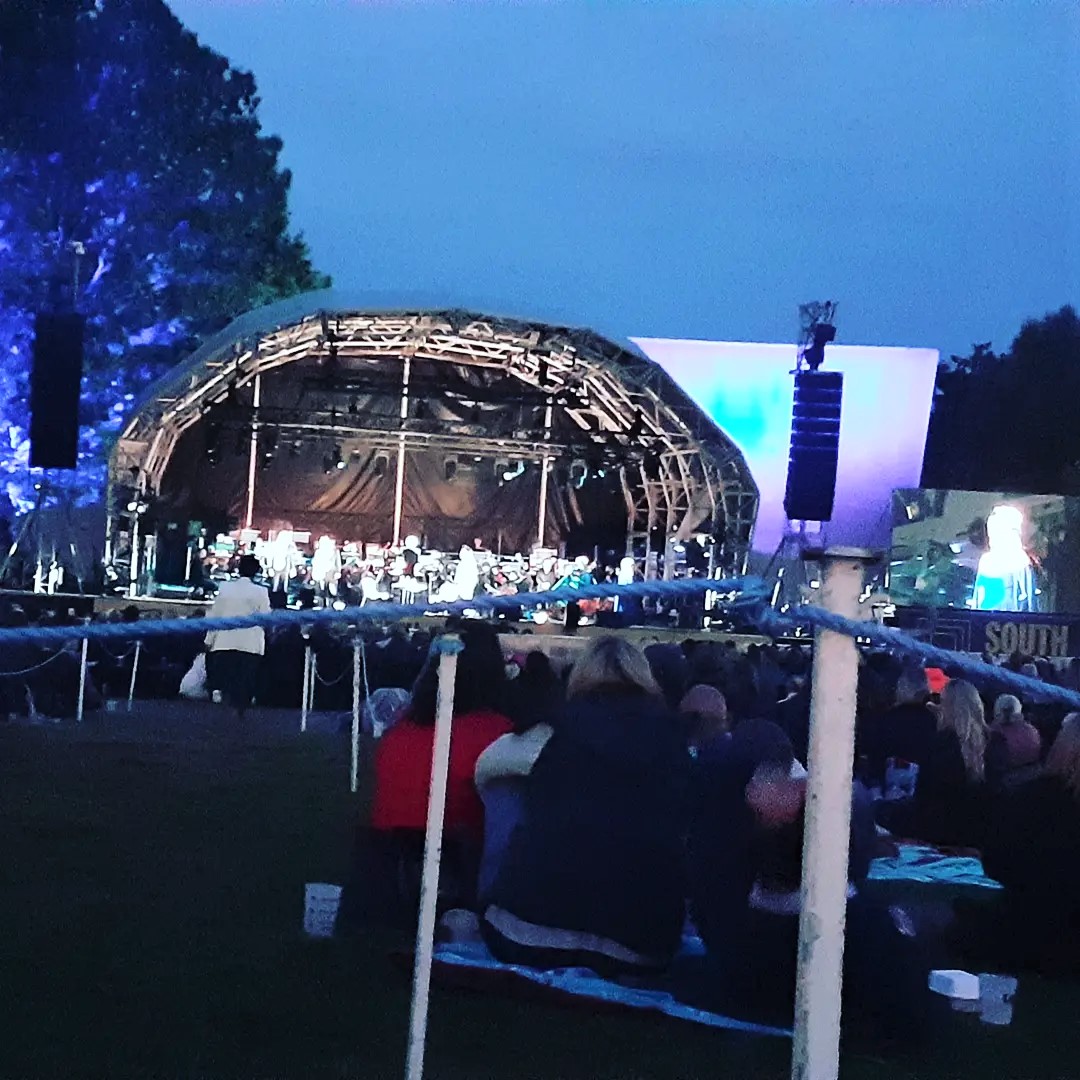 couple of burger joints, a pizza place, churros and sushi – with long queues, which meant people walking back to their places bearing food after the performance had commenced. There were bars aplenty, unfortunately they sold only hugely overpriced cans – of beer, of wine and of gin & tonic. No draught beer, no bottles of wine. And no bringing your own drinks with you. We knew this, so didn’t try, but others clearly did not and had their goodies confiscated at the entrance. Given the lack of choice and the prices charged this left a sour taste in a lot of mouths.
 the back of Zone A, only a few yards from where we sat. They weren’t pleased and understandably so.
 and powerful Cavaradossi who reached those high notes with ease. Romaniw was empassioned and exquisite – even in a park and with an audience this big, you could have heard a pin drop during ‘Vissi d’arte‘. At the end, everyone was on their feet and clapping and cheering ( and booing Scarpia, who was an excellent Roland Wood ). Though there were also folk beginning to clear away their things – it was cold by this time. The group to the immediate right of us had brought duvets, they were snug.
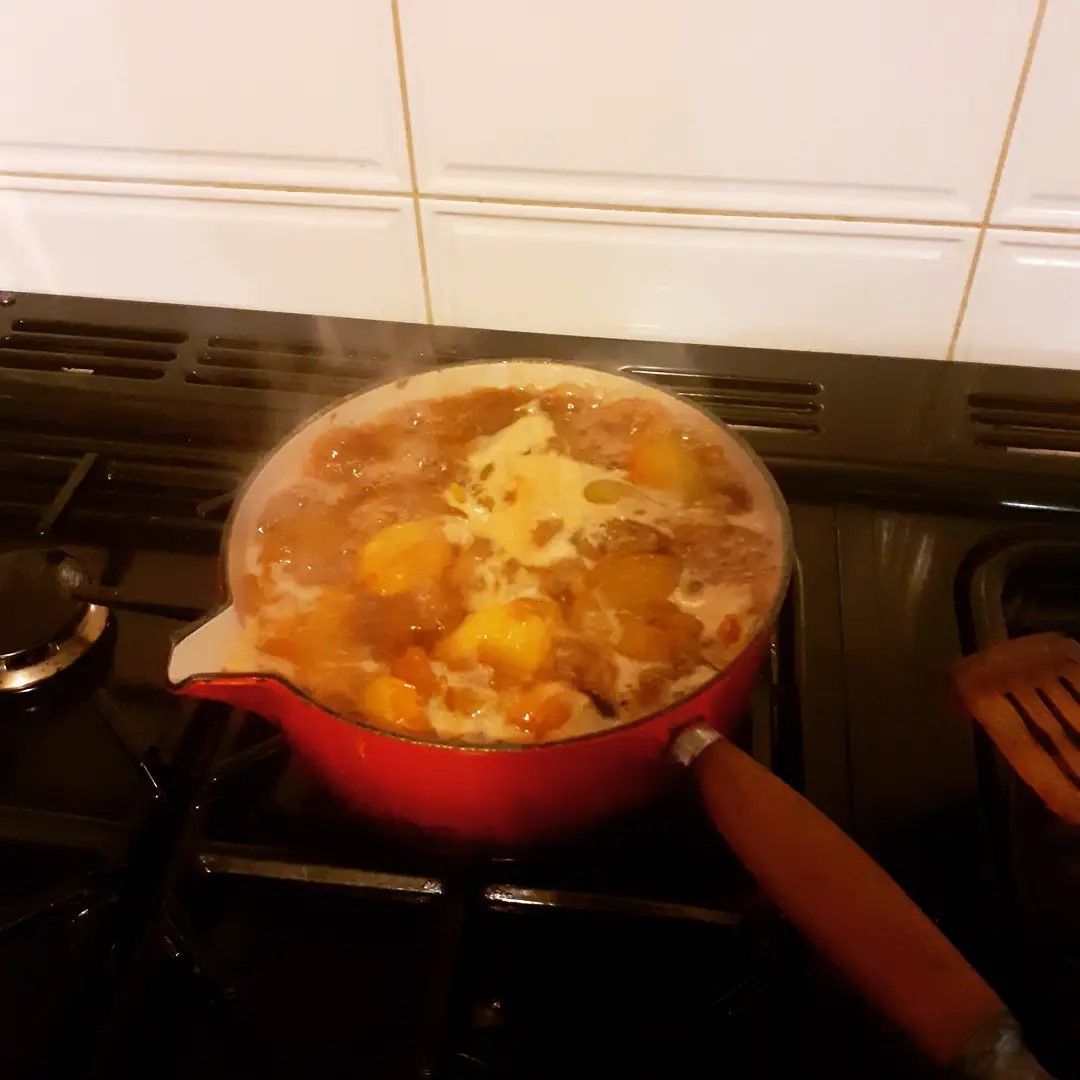 Last weekend I submitted the manuscript of Opera to Claret Press. Then I went and made some jam.
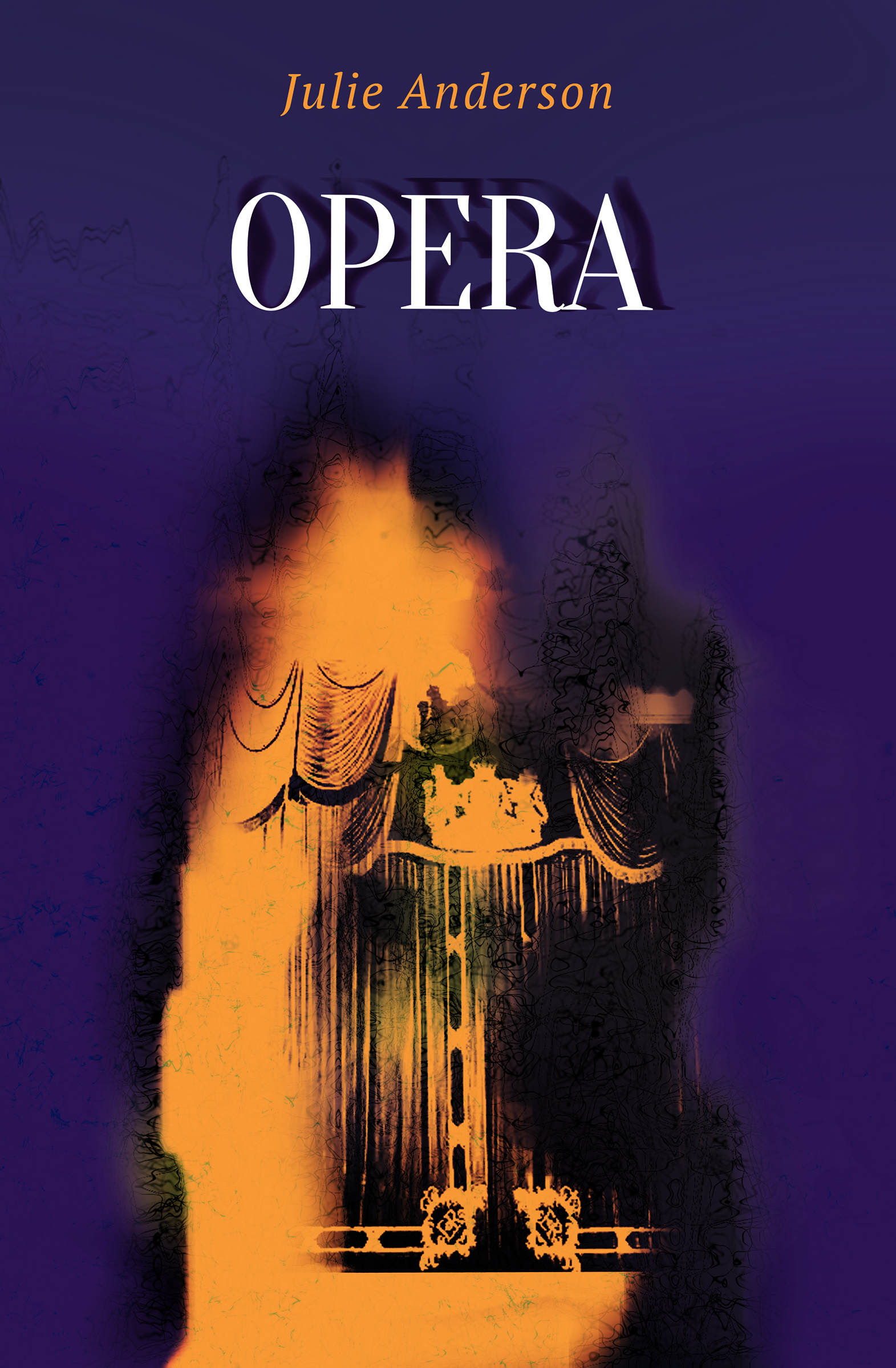 what extremely hard work. It’s a business, an industry and many of those toiling within it do so for very little reward and recognition. As with any industry the larger entities, the Hachettes and Harper Collins, will have greater reach and a higher profile ( placing their books on supermarket shelves for example ) and the big corporate vendors, the Amazons and Waterstones will also skew the market towards those books which get the publicity and the coverage. As my friend and fellow Claret author, Steve Sheppard, says in the note in his latest novel Bored to Death in the Baltics, he ‘ought to have tried to become a celebrity first, as this would have made selling it (the book) so much easier’.
 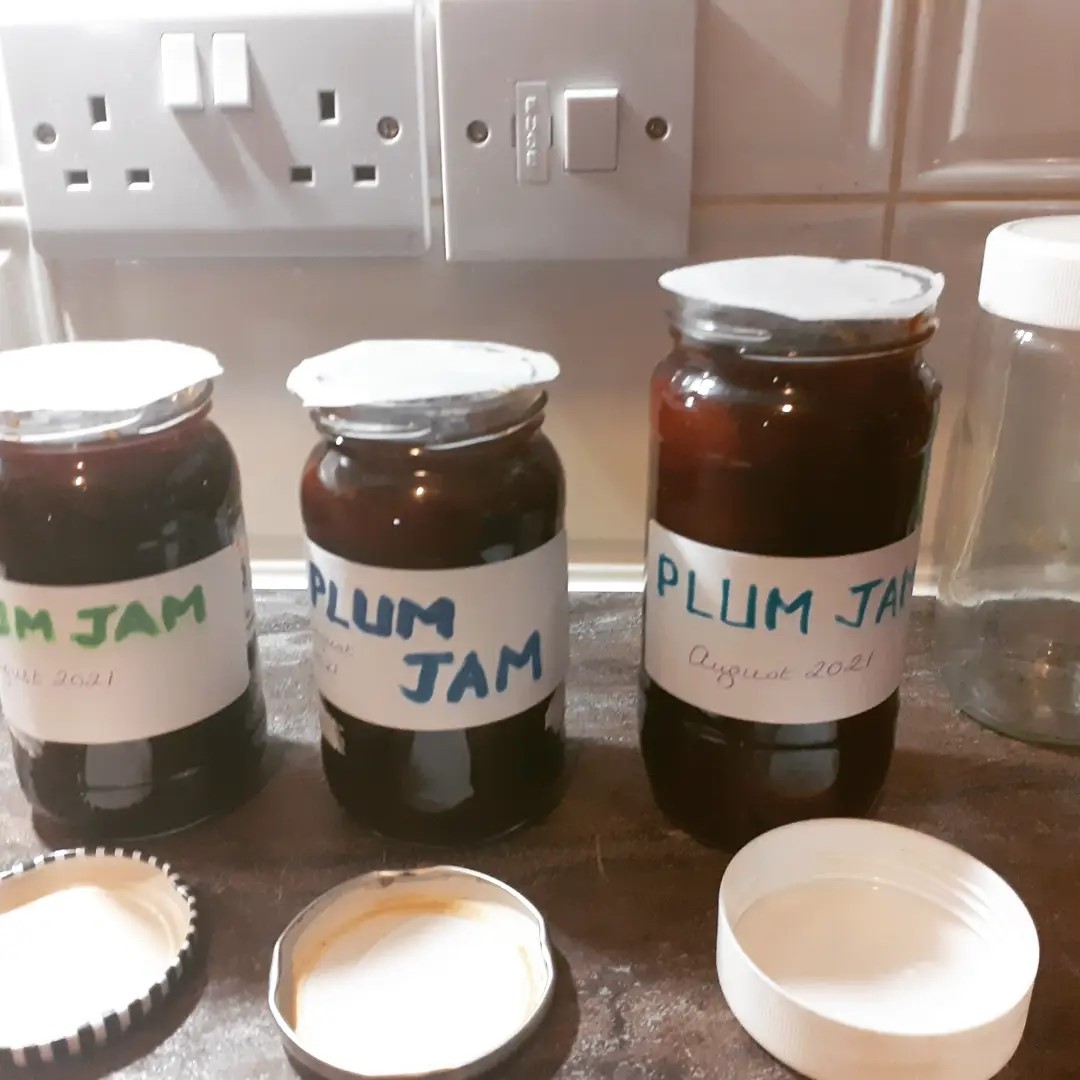 I have come to genuinely enjoy this process, though it sometimes isn’t a comfortable one. People get passionate about a work, there are disagreements and I, like any writer, am possessive about my stories. I expect to know them better and know what’s best for them, despite evidence to the contrary. But for now I have a moment’s respite, maybe a fortnight, maybe longer. I can sit back, read other books, do the garden, catch up on all those jobs… and make more jam.
 Yesterday to the British Museum during the last week of the exhibition Thomas Becket: murder and the making of a saint which ends on Sunday. It’s an interesting exhibition which follows Becket’s upbringing, fairly meteoric career ( from Cheapside immigrant merchant’s son to the Archbishopric and Lord Chancellorship of England ) to his eventual death and subsequent canonisation. I reread Murder in the Cathedral in preparation and the exhibition ends with lines from that verse play.
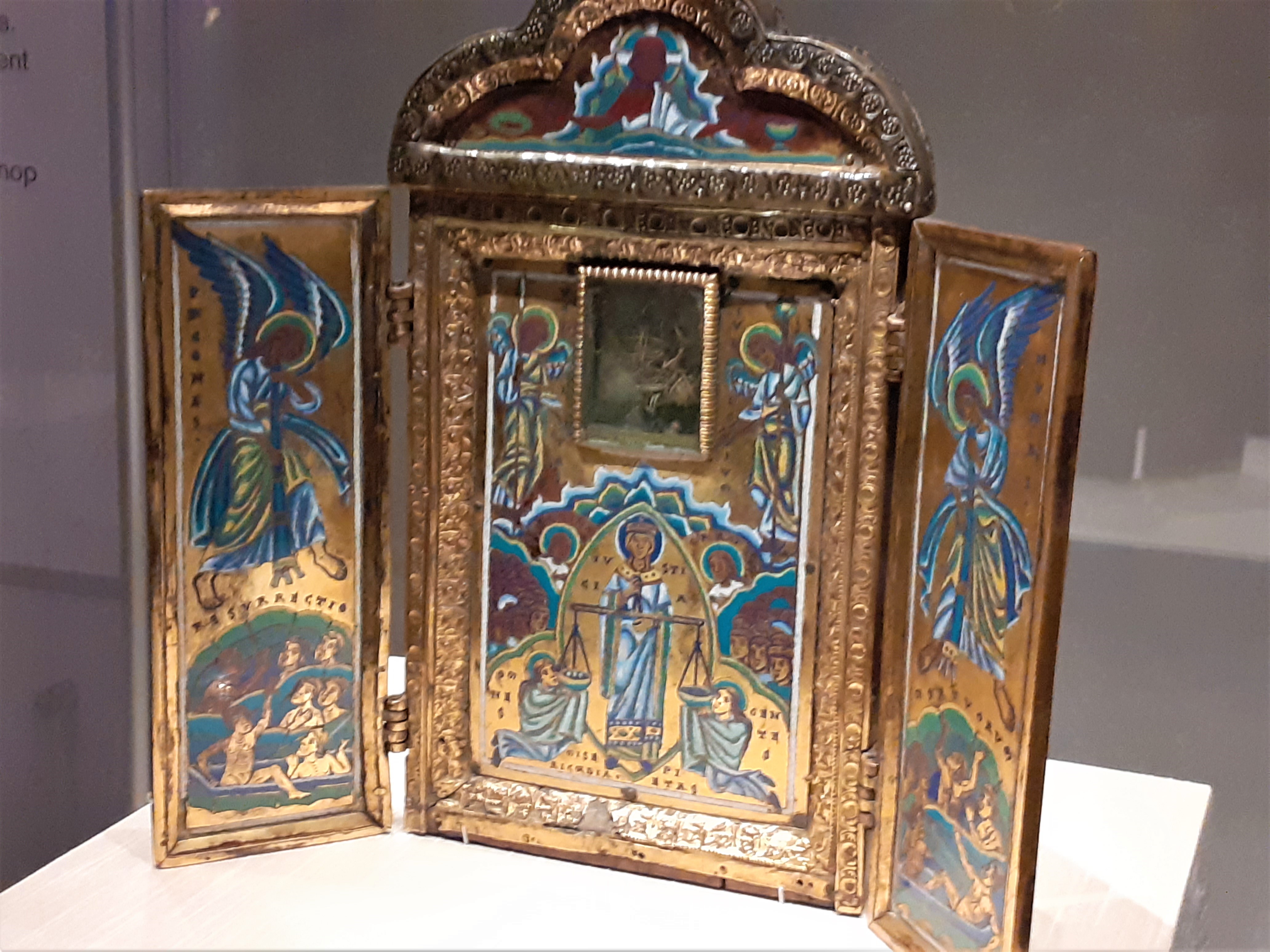 seemed to me and my companion, also sought martyrdom as the ultimate step, a translation into immortality. Everyone knows the story, or has seen the film and recognises the famous quote ‘Who will rid me of this turbulent priest?’, although this is, without explanation, changed to ‘Who will rid me of this troublesome priest?’ in this exhibition.
 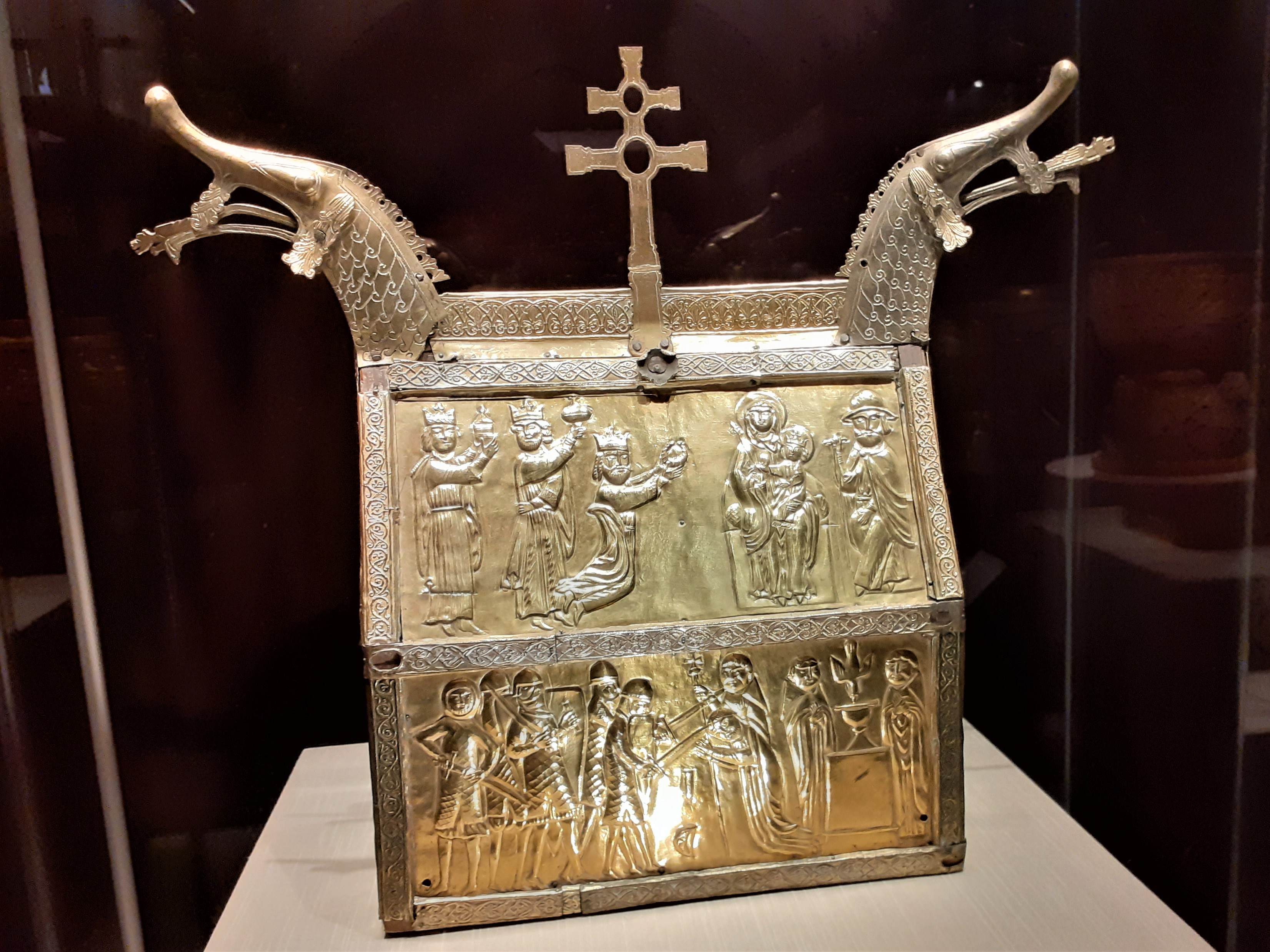 British Museum curators shouldn’t, in my view, be saying it is because, aside from anything else, it will then become a self-fulfilling prophecy. Three young people, unknown to me, but who went round the exhibition at approximately the same time as I did, clearly took away this ‘story’ without its context. Henry might not be a popular, or even a colourful, character, by all accounts he was a choleric and sometimes harsh individual, but he also inherited a cash-strapped and exhausted land, following the war between Stephen and Matilda ( Henry’s mother ). Just because he isn’t particularly likeable doesn’t mean his role in history should be limited to his role in a martyrdom. In my humble opinion, it’s bad history ( even if it is good story telling. ) The richness and complexity of life, even life in the past, is reduced in this way. Rant over.
 as the murder itself. I was intrigued to find out about the broken sword and the depiction which showed this, as well as a chunk of skull falling to the flagstones of the cathedral floor. It’s interesting that these small, if gory, details survived and thrived in later representations of the scene. I was surprised by the far-flung examples of the Becket cult – stone carving from Sweden, a reliquary from Norway, reference in a parchment from Italy. Maybe I shouldn’t have been, the Church stretched across Europe and its saints were promoted widely.
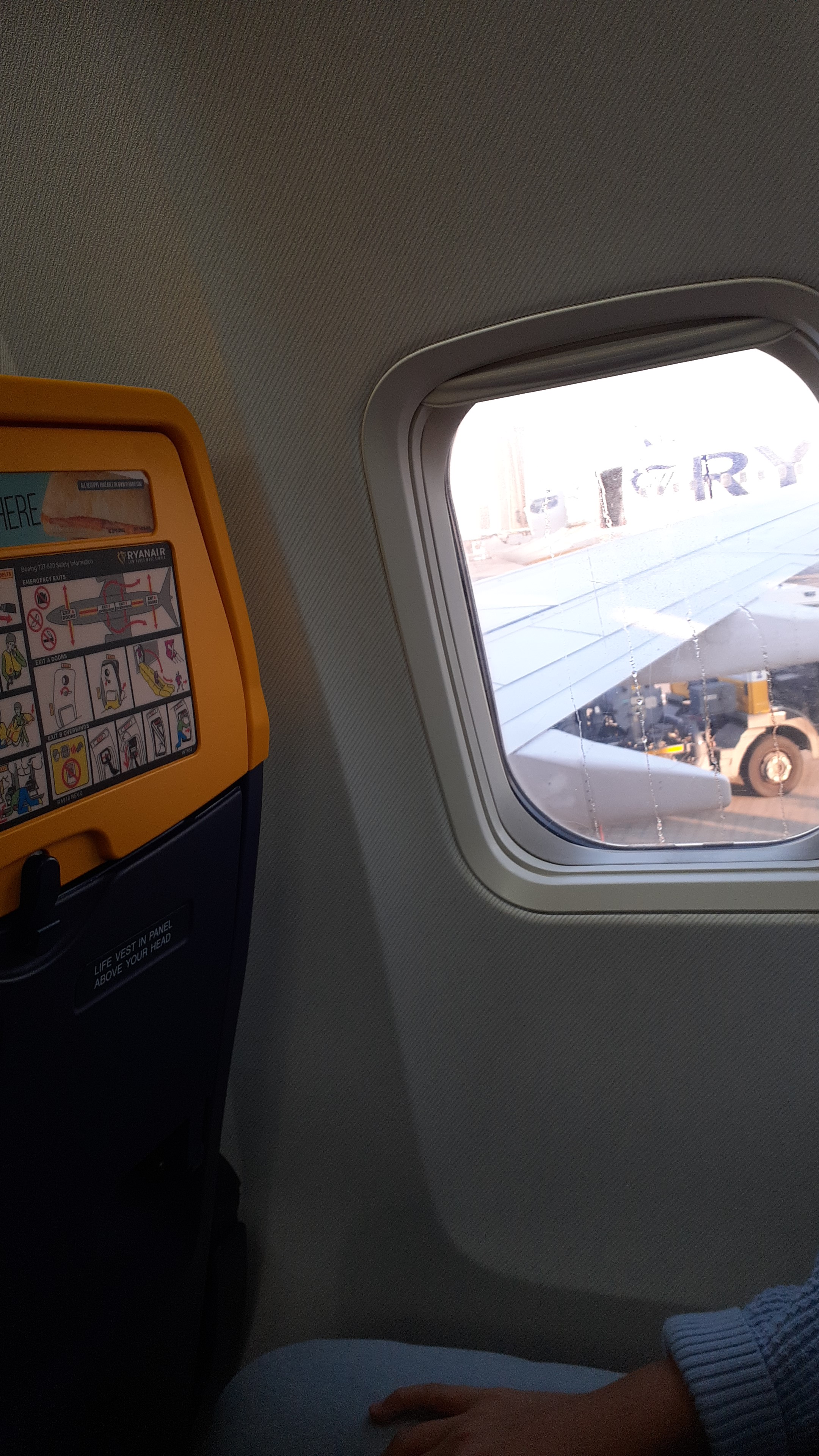 The airport wasn’t crowded (no queues at Pret for the in-flight sandwich) though that may have had something to do with the hour – it was 5 a.m.. That’s the downside of my Ryanair flight to Jerez, the only flight available. There’s no public transport at that time in the morning either, but Pepe, my cabbie from Congo, was fun to talk to on the way. The cab from south London wasn’t cheap, but then the flight tickets were, so… My flight, on time and comfortable, was far from full.
 evidence that a PCR test has been booked for one’s return. I had organised these last two before I’d left the UK and the arrangements worked well, especially the Antigen Test with Zoom, which I did when there in collaboration with a nurse who was online, somewhere else in the world. This method was considerably cheaper than any other that I’d found and entirely acceptable to the UK authorities.
  code which successful submission generated on my phone. Rather more than a fellow traveller on the return journey had managed. He was in transit only through Stansted and hadn’t completed the Form but the Ryanair people insisted. They turned another woman away, who had failed to take a test. Her excuse was that she had planned to take one at the airport – it didn’t work, Jerez airport is very small, without any testing facilities. Other airports may offer this service, but she really should have checked.
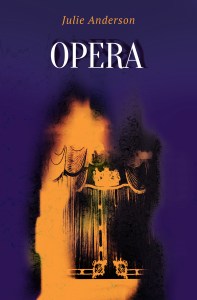 Opera noun, Italian, feminine 1 work: 2 task, job: 3 artistic creation: 4 action, deed, handiwork: opere buone goods deeds: opera lettararia literary work: opera musicale opera: opera lirica opera.
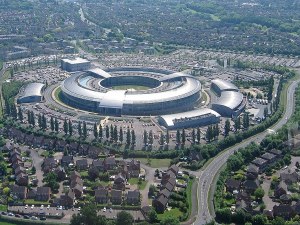 the Prime Minister, but, in Oracle she learned that this wasn’t enough and she would have to address certain matters arising from her past if she wanted to escape them. Thus she sets out, at the beginning of the third book, to find out the truth of what happened at Government Communications Head Quarters (GCHQ), her former posting, when she was forced to leave it. Until now she had believed her dismissal was because of her own failings, but begins to see that there may have been other forces at work.
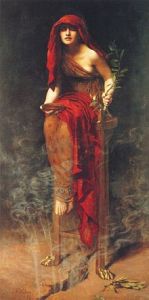 the Pythia did (though without the psychotropic gases). Cassie sought guidance from the Pythia and in Opera she seeks it from Angela. Both provide answers couched in riddles.
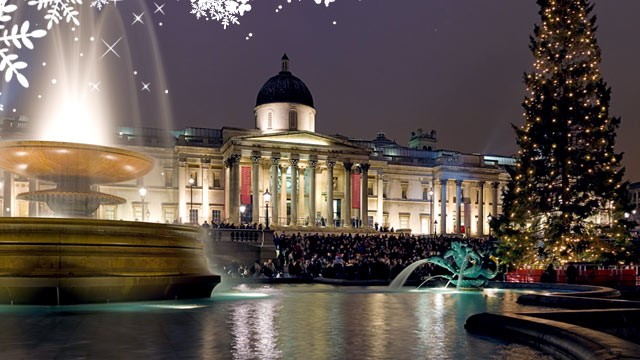 …is what I’m experiencing as I edit Opera.
 major thoroughfares and in shops, pubs and public buildings. The carol concerts at St Martins and St Johns, the pantomimes in theatreland, the ‘Christmas show’ at the National Theatre (I have seen many over the years) and at least one, often two, productions of The Nutcracker ballet. All this contributes to the backdrop against which Opera takes place.
 Each book is organised on a day by day basis. Plague runs over ten days from Monday 9th September to Wednesday 18th with a final chapter on Friday20th. Oracle begins on a Monday in November with six days in Delphi and two more, a week later, in Athens. Readers say that they like this aspect of the novels, making events seem more real and immediate as well, I am told, as pacey. Opera is no exception and a lot happens in ten days, as, I hope, readers have come to expect.
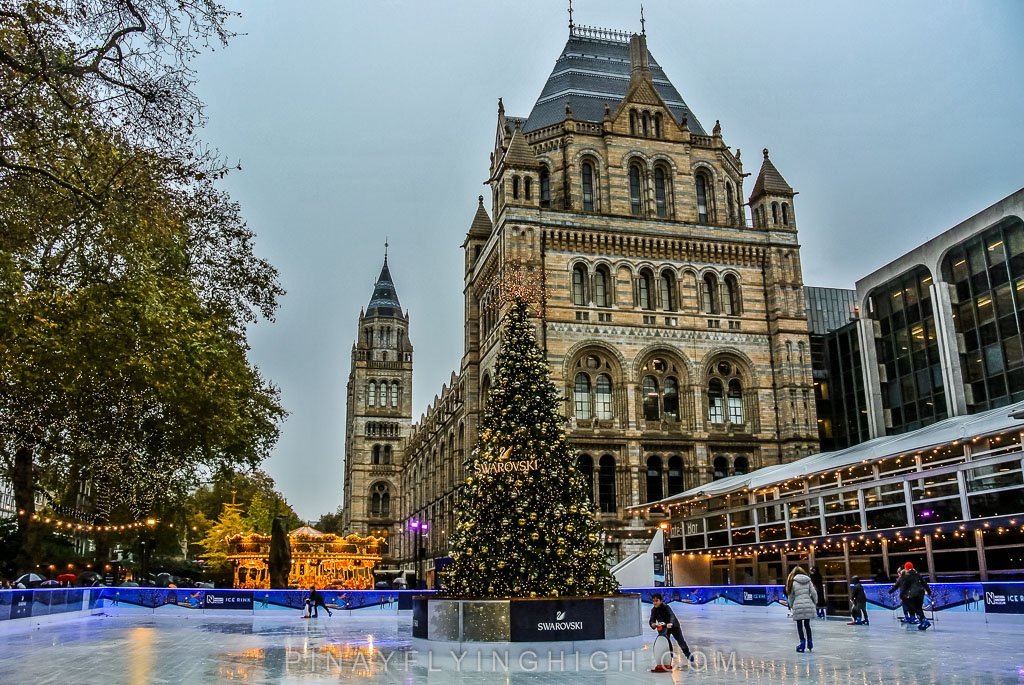 gives our main suspects an alibi – but wait, who arrived when and who was late? The Palace of Westminster becomes relatively deserted as Members head off to their homes and constituencies and it turns into the haunt of the permanent staff and the tourists, who, while the Houses aren’t sitting, get let into the Chambers. N.B. For anyone who hasn’t visited the Palace of Westminster, the Christmas recess is a good time to go, there are generally fewer tourists than in the summer months.
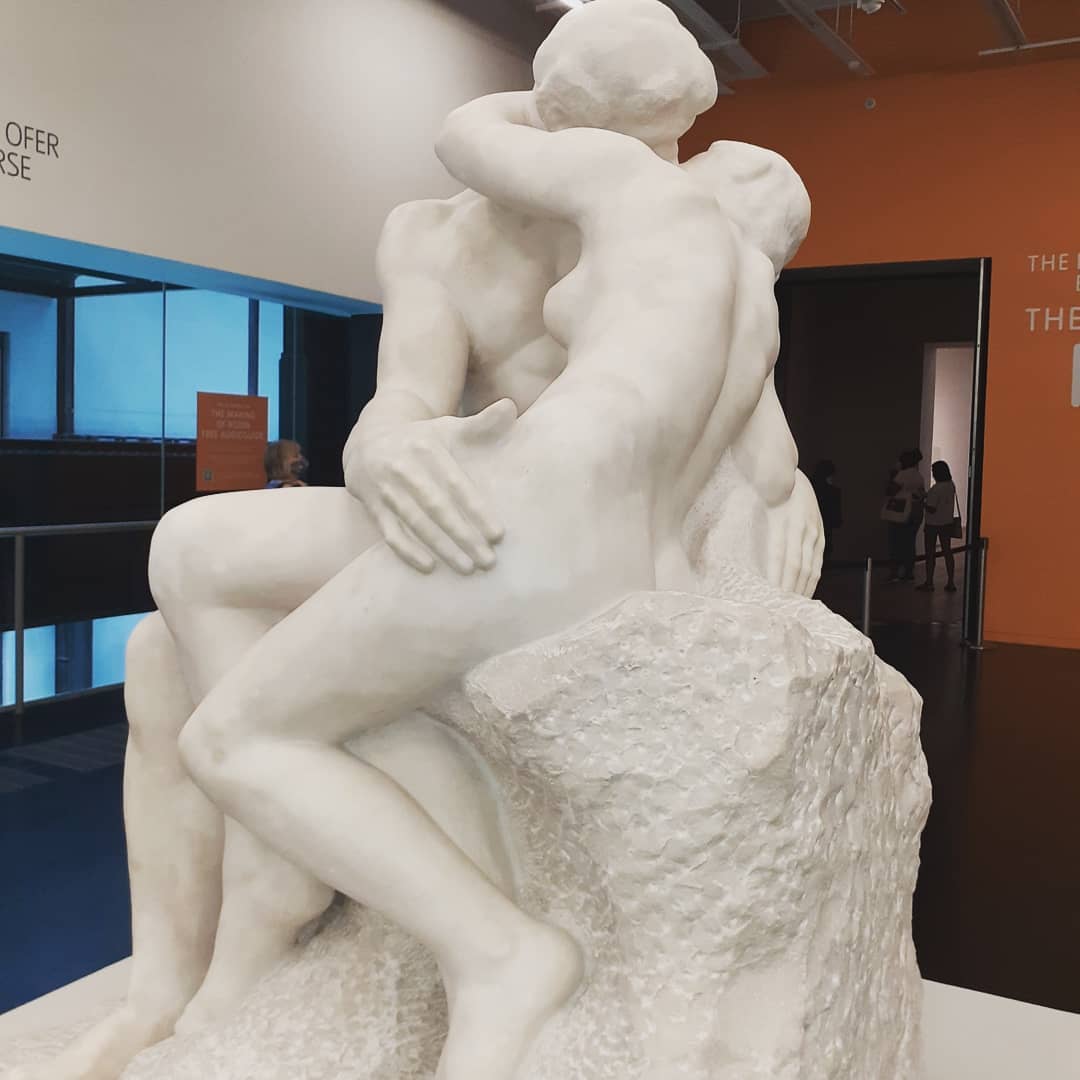 I know nothing about sculpting, though I like looking at sculptures. So I found Tate Britain’s exhibition, The Making of Rodin, fascinating, focusing as it does on HOW Rodin went about creating his works. Outside the exhibition is a version of The Kiss, but the show itself begins with a bronze, the only bronze sculpture in the exhibition, the rest are in plaster. This is The Age of Bronze, the figure of a young Belgian soldier named Auguste Ney and it replicated real life so perfectly that Rodin was accused of making the cast direct from Ney’s body rather than modelling it. Rodin refuted the allegations of ‘cheating’ with a passion, having photographs taken of Ney to demonstrate the differences between the subject and the sculpture. Thereafter he was to move away from the conventions of classical sculpture, with its ideal of human beauty.
 platre‘, which softened the sculptures, smoothing their angles and filling their craters. But a perfect finish was not what he was after and he left seams visible between joints as well as gouge and nail marks. Multiple casts of a single piece, or part of a piece were made and used in a variety of ways ( see the Giblets or abattis laid out in one vitrine, arms, legs, torsos originally to be part of The Gates of Hell, but used for many other works ). He reworked his casts, remodelling parts of them, with elements being used in any number of larger works, dismantling and reassembling existing sculptures in endless combinations. So The Head of a Slavic Woman appeared in multiple works, repositioned and rotated. The Son of Ugolino moved from prone point of death to an aerial figure.
  Rodin took repetition to another level when he included multiple casts of the same figure to form a sculptural group. So The Three Shades consists of a single figure, originally to represent Adam, presented in a group together (see left). He also changed the scale of pieces and the exhibition has some truly large versions of elements of other sculptures, Rodin was said to be particularly fond of the undulating surfaces created by enlargement. We see the head of one of the Burghers of Calais, but twice the size, a massive version of The Thinker and a super large plaster version of Balzac. The versions of this last sculpture are particularly illuminating, showing a nude figure in various sizes and a head in various forms, plus the dressing gown (so accurately represented it seemed that the fabric would fold in your hand), which were used to inform the final work.
 that Rodin used drawing to study movement and the internal dynamics of the body, asking his sitters to move around the studio. The works on show are all of impersonal female nudes in graphite and watercolour and they are full of movement. I liked them a lot. As with his clay sculptures, Rodin would use the sketches again and again. The drawings on display are annotated with his notes, rotating the pages around to show the figures differently depending on aspect. The other element I admired was his use of antique artefacts – a very modern concept – though Rodin used the real thing, not copies, thus effectively negating the work of the original potter, or ceramicist (not so admirable).
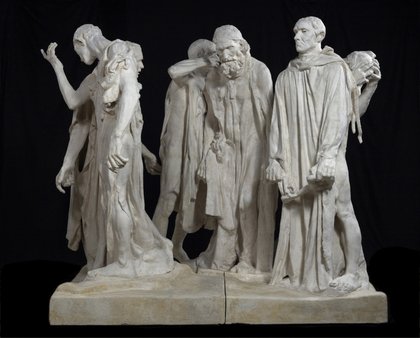 One room contains a life-size ( i.e. bigger than actual life ) plaster model of his famous Burghers of Calais, such a fabulous and powerful sculptural group, the bronze version of which stands outside the Houses of Parliament. This made me want to go and see that sculpture again, but the plain white of the plaster version somehow renders the self-sacrificing burghers even more exposed than their bronze equivalents. Other rooms are dedicated to works depicting the Japanese actor and dancer Ohta Hisa – Rodin made over fifty busts and masks of her face – and Helene von Nostitz, his aristocratic German friend.
  Julie Anderson