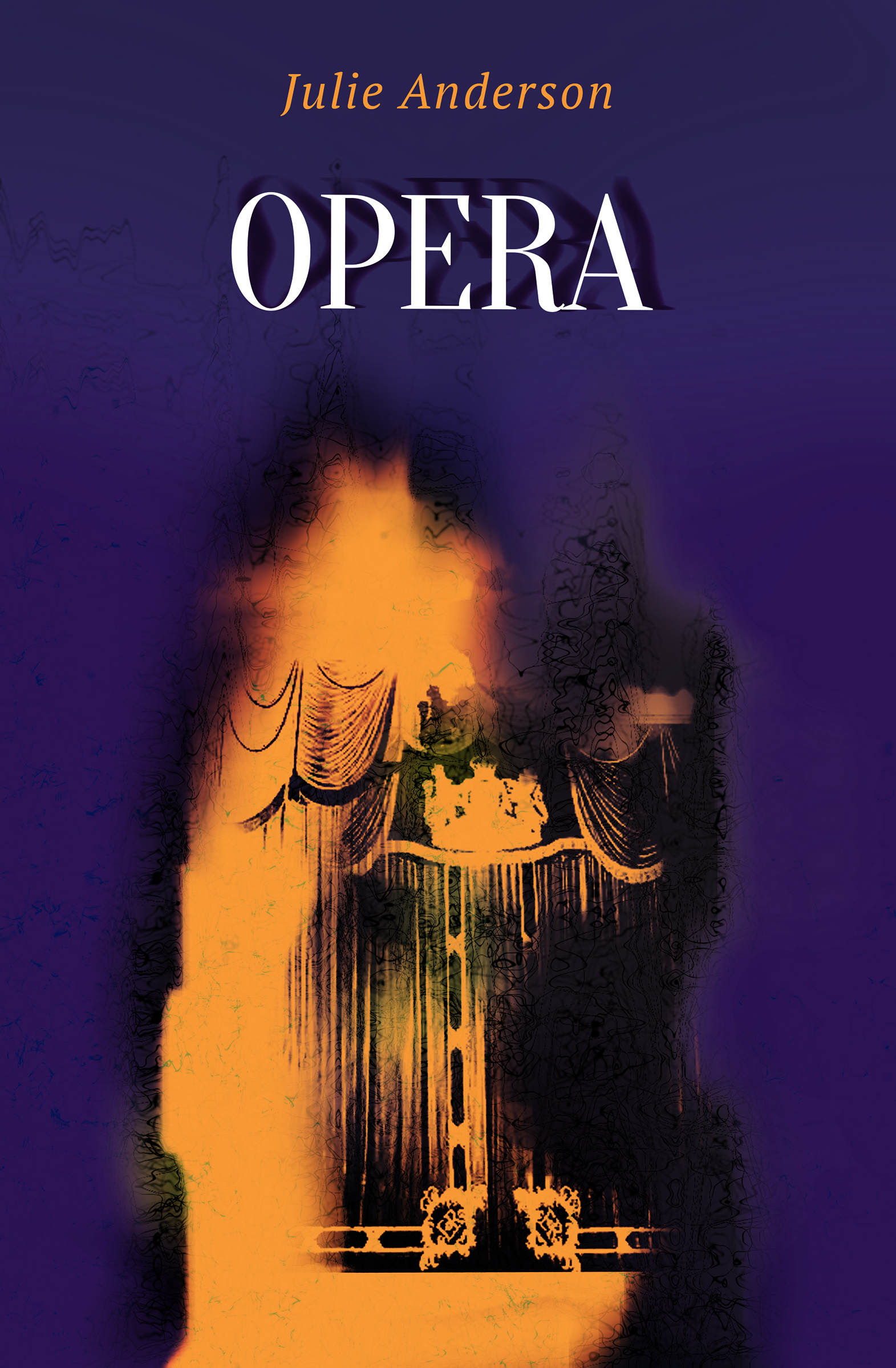
 Last Friday the revised manuscript of Opera was sent to Claret Press, so please allow me a merry little dance (or a maniacal jig, more like) of pleasure and relief. I’d worked hard on it while in Spain, completing a whole rewrite, including a restructuring – I thought it was too flabby – and this won’t be the end of the story, there will be more edits still to do. I may have missed infelicities caused by the structural changes as well as potential for improvement (there is always potential for improvement, groan). The final proof reading edit is still a long way off yet, but the manuscript has gone. Yippee!
I have also been given a date for publication, the beginning of September next year. I’d hoped that it might be out in Spring, but the delay is unavoidable, to give Claret’s new distributors time to get it into book shops. I’m already discussing back cover blurb and tag-lines (we have arrived at the former but not the latter) and the cover design is almost done. The New Year will see us formulating a promotion and marketing strategy for events in the run up to and following launch.
Maybe next year, with the third Cassandra Fortune book, I’ll finally get to have a real life, physical book launch? Also, Omicron COVID strain permitting, I might get to do physical book tours (I’ve already got some events lined up). It’s strange to think that with this, my third traditionally published novel, I might get to experience what is normal for a new book.
 On that note, a quick look back at Plague (published September 2020) and Oracle (published May 2021), was prompted by my receiving my Public Lending Rights statement recently. Despite libraries being closed for much of the year ended June 2021, Plague has been borrowed many times (Oracle wouldn’t have made it into libraries by then) but I was surprised to see that Reconquista, my earlier novel set in 13th century Al Andalus was second most frequently borrowed. That book and its sequel, The Silver Rings, are also selling again. When I began working with Claret Press I was told that there’s nothing that sells one’s first book like the publication of one’s fourth (or fifth, or sixth) and these sales, though small, seem to bear that out, even though they aren’t crime fiction.
But the real up-side of getting the manuscript off is that I am, for a short time at least, at leisure to read.
I have a pile of books waiting for me which is already toppling, it is reaching such heights, (see right) but I’ve been adding more to it recently and some are still on their way . All to be read before the next edit. Participation in a recent UK Crime Book Club Quiz on Scottish crime fiction showed me just how much of that I haven’t read, smething I’ll try to remedy with some of William McIlvanney’s Laidlaw books and Quintin Jardine’s Skinner series, plus some JD Kirk. Then there are the historical crime books, like Stuart Turton’s The Devil and the Dark Water and one or two non-crime books which I missed first time round which made the best seller lists like Natalie Haynes’ A Thousand Ships. My favourite, recently consumed, is The Manningtree Witches by A.K.Blakemore. You can read what I thought of that, together with some other book recommendations for the Christmas break in Time & Leisure magazine.
I am looking forward to reading them all!
 All the published writers I know (except one) accept the need to promote their books, whether they are contractually obliged to do so, as a traditionally published author, or understand that they must get themselves and their book out there as a self-published author. Only those established enough to command a hefty advertising and promotion budget within their publishing house can sit back and even they can’t relax. Sir Michael Morpurgo, who is as established as they get, was on the road promoting his latest book at the Clapham Book Festival in October.
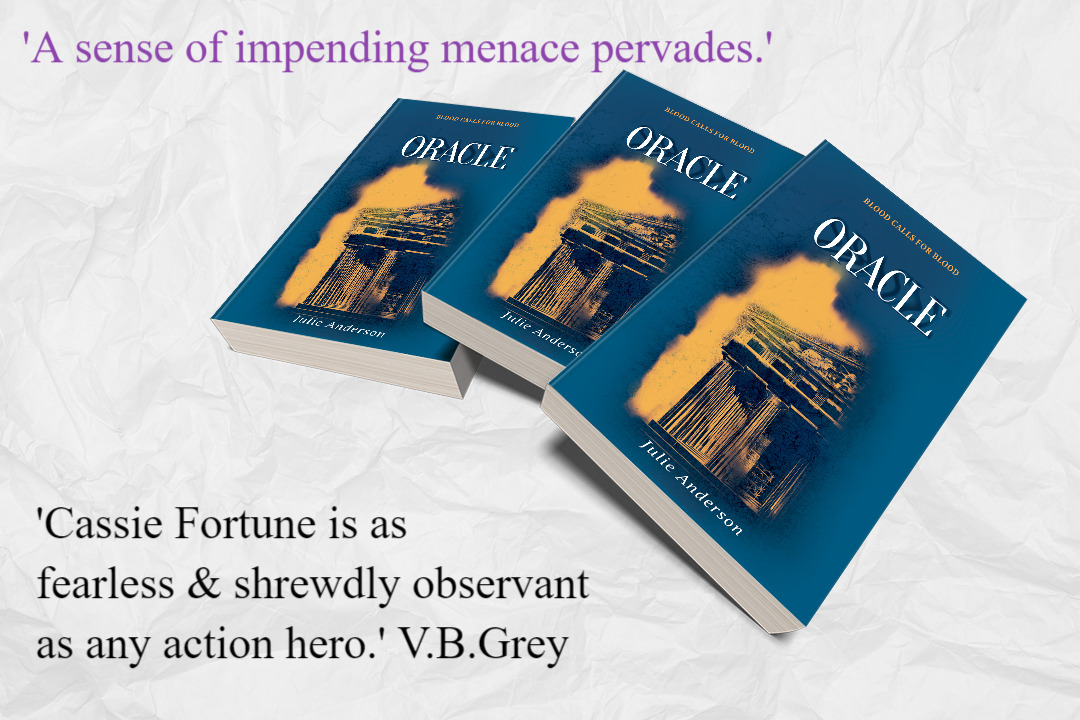
 exception, with Christmas around the corner, in the book world. The ebook of Plague has been reduced to 99p online across stores (and on the Claret Press website) and I am publicising that at the same time as organising ‘giveaway’ competitions for free copies of Oracle within online book groups, like The Motherload. It happens also to be six months since Oracle came out, so there is a bona fide reason to do the giveaway, aside from Black Friday.
 For a small publisher like Claret this is a neat way to get free advertising. For example in this ‘giveaway’ via Facebook of three books ( at cost and with postage of approximately £3 per book ) Oracle’s cover and blurb, as well as some quoted reviews, has reached 174,000 people in the last twenty four hours. Mostly these are via Twitter but the Club itself has 12,000 members. At time of writing over eighty people have ‘entered’.
 complete with Oracle postcard and message congratulating them, hoping that they enjoy reading the book and asking, if they do enjoy it, if they would pass the word on, by way of a review or a post in the Facebook Book Group and/or on Goodreads. If they do so this will generate more publicity. Oracle is, of course, readable as a standalone novel, but it may also encourage some folk to buy Plague, especially given its reduced price.
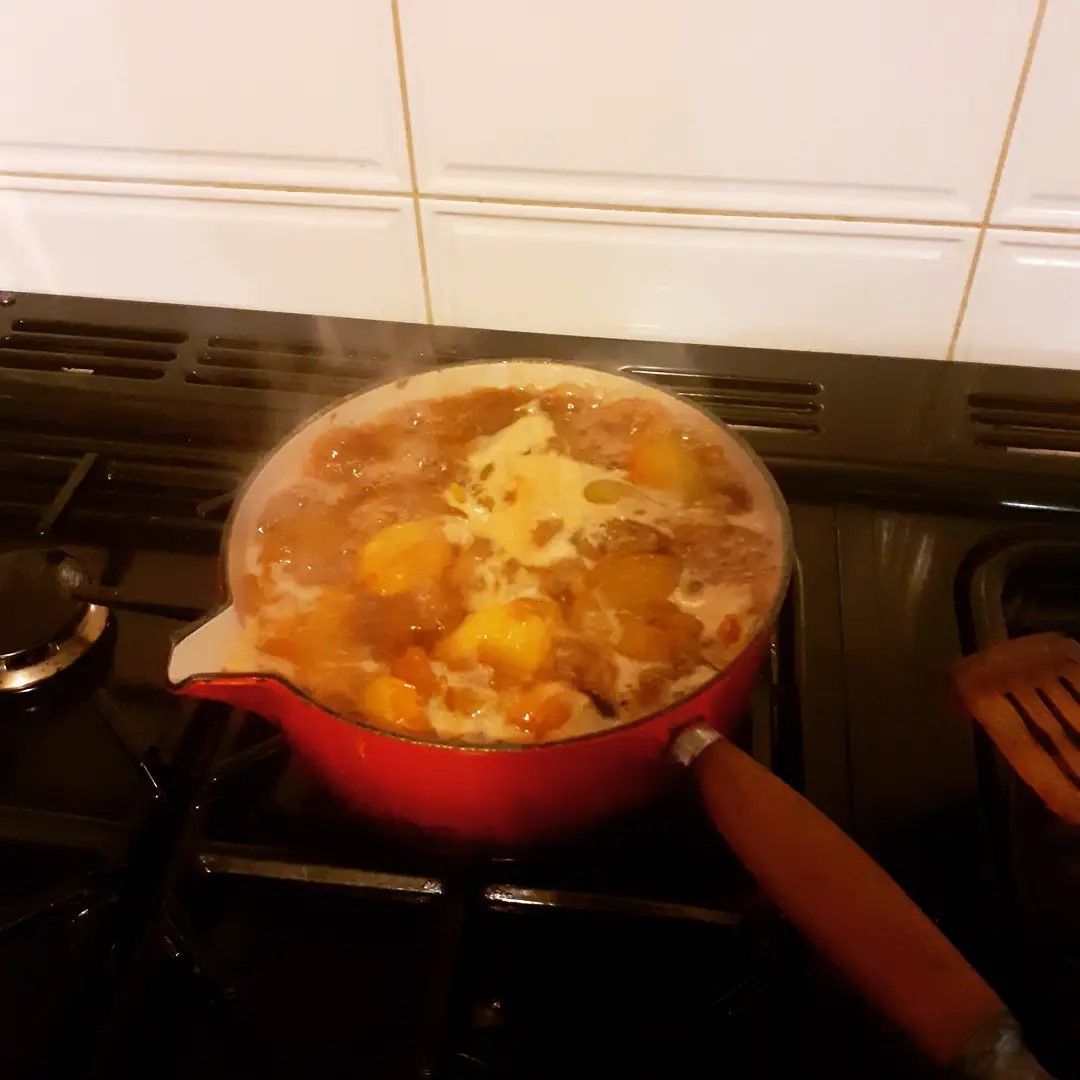 Last weekend I submitted the manuscript of Opera to Claret Press. Then I went and made some jam.
 what extremely hard work. It’s a business, an industry and many of those toiling within it do so for very little reward and recognition. As with any industry the larger entities, the Hachettes and Harper Collins, will have greater reach and a higher profile ( placing their books on supermarket shelves for example ) and the big corporate vendors, the Amazons and Waterstones will also skew the market towards those books which get the publicity and the coverage. As my friend and fellow Claret author, Steve Sheppard, says in the note in his latest novel Bored to Death in the Baltics, he ‘ought to have tried to become a celebrity first, as this would have made selling it (the book) so much easier’.
 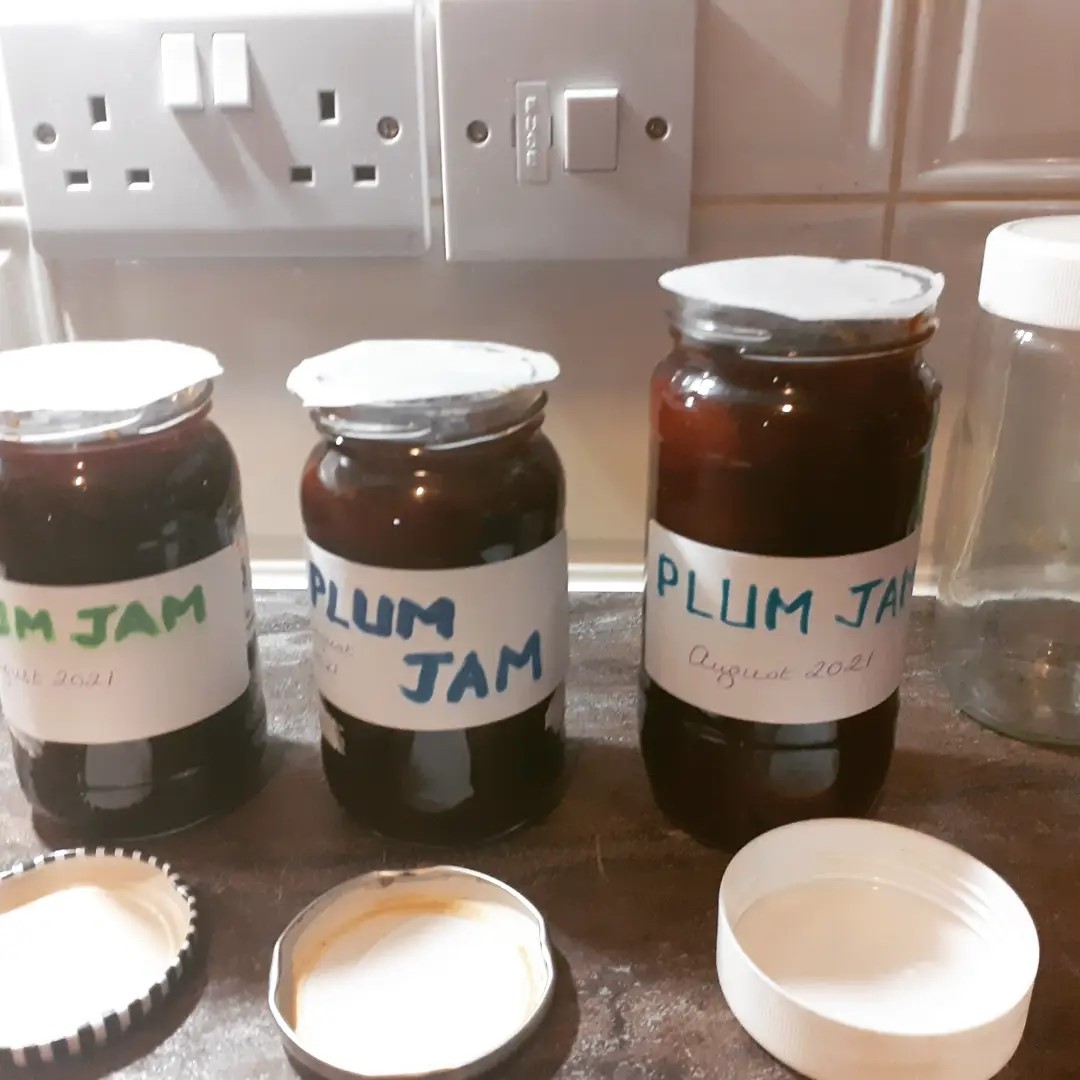 I have come to genuinely enjoy this process, though it sometimes isn’t a comfortable one. People get passionate about a work, there are disagreements and I, like any writer, am possessive about my stories. I expect to know them better and know what’s best for them, despite evidence to the contrary. But for now I have a moment’s respite, maybe a fortnight, maybe longer. I can sit back, read other books, do the garden, catch up on all those jobs… and make more jam.
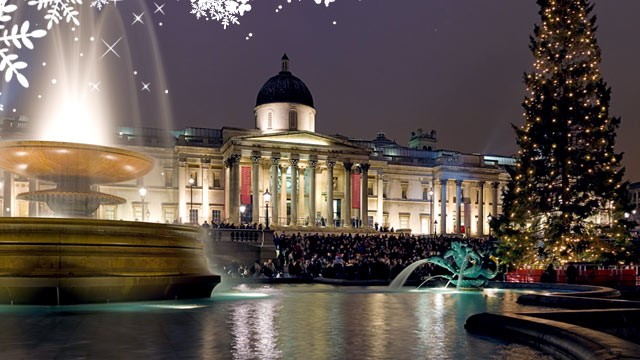 …is what I’m experiencing as I edit Opera.
 major thoroughfares and in shops, pubs and public buildings. The carol concerts at St Martins and St Johns, the pantomimes in theatreland, the ‘Christmas show’ at the National Theatre (I have seen many over the years) and at least one, often two, productions of The Nutcracker ballet. All this contributes to the backdrop against which Opera takes place.
 Each book is organised on a day by day basis. Plague runs over ten days from Monday 9th September to Wednesday 18th with a final chapter on Friday20th. Oracle begins on a Monday in November with six days in Delphi and two more, a week later, in Athens. Readers say that they like this aspect of the novels, making events seem more real and immediate as well, I am told, as pacey. Opera is no exception and a lot happens in ten days, as, I hope, readers have come to expect.
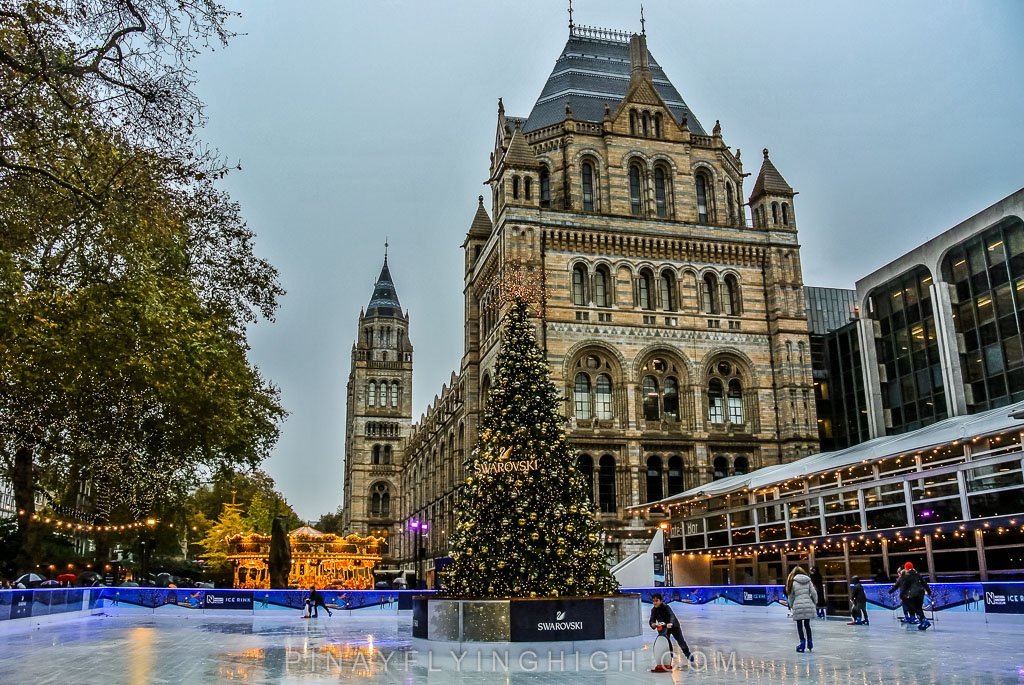 gives our main suspects an alibi – but wait, who arrived when and who was late? The Palace of Westminster becomes relatively deserted as Members head off to their homes and constituencies and it turns into the haunt of the permanent staff and the tourists, who, while the Houses aren’t sitting, get let into the Chambers. N.B. For anyone who hasn’t visited the Palace of Westminster, the Christmas recess is a good time to go, there are generally fewer tourists than in the summer months.
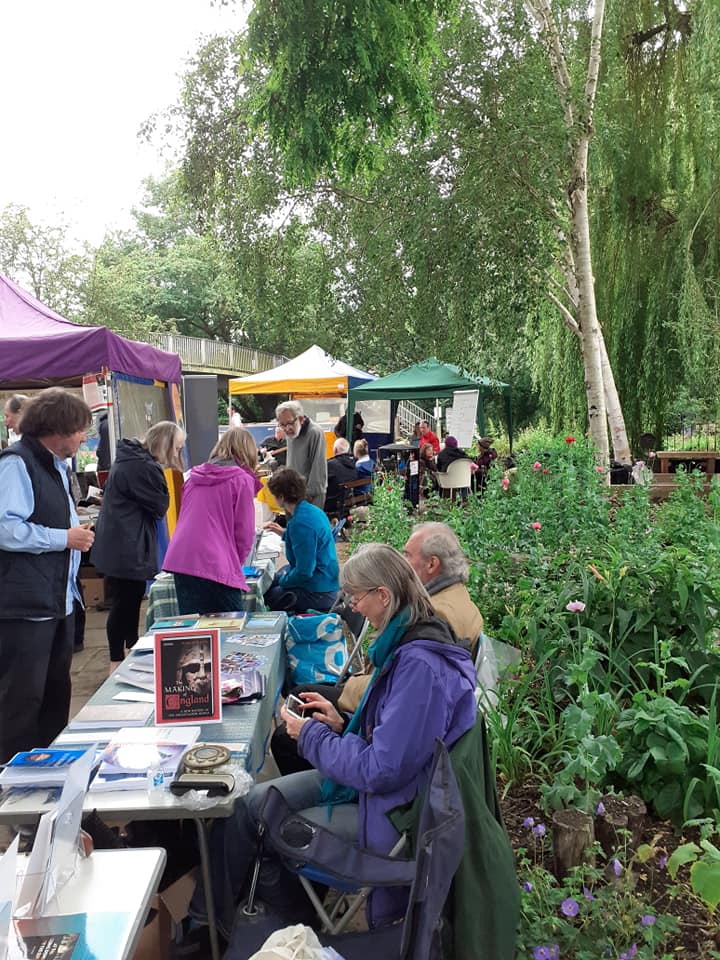
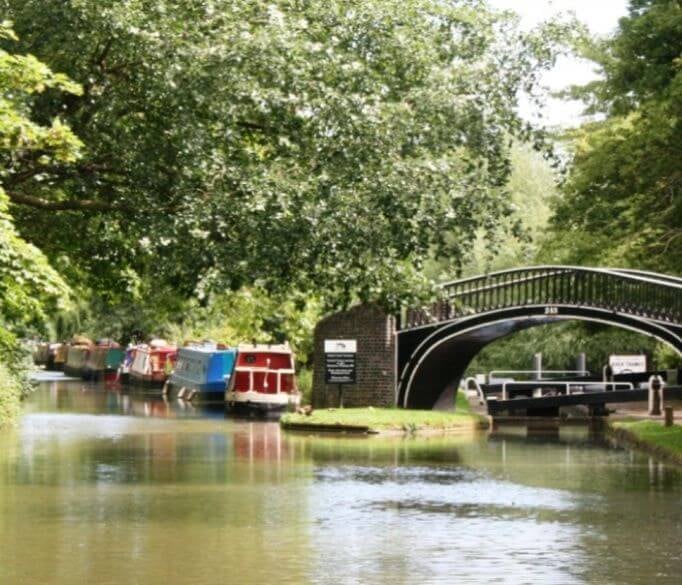 Readers of Phillip Pullman’s His Dark Materials trilogy will already be familiar with the alternative reality Jericho, the canal basin where the Gyptians live in Northern Lights. In real life Pullman has been an advocate in support of the residential boaters fight to save the Castlemill Boatyard in the actual Jericho from property developers. It’s that bohemian, formerly working class quarter of Oxford, bounded by the Oxford Canal, Worcester College, Walton Street and Walton Well Road. On Sunday it was host to the Jericho Book Fair, the very first post-lockdown book fair in the country, the organisers claimed. I went along.
 itself was dry and plenty of people came out. There were lots of interesting stalls (I managed to buy as many books as I sold, including a 1956 Penguin Classics original edition of The Kraken Wakes by John Wyndham and a more recent volume of Euripides). Oxford University Press were there, Blackwell’s Books and several other presses, as well as the Oxford Indie Book Fair.
 (below) writer of one of my favourite comedy spy novels A Very Important Teapot. Steve lives in nearby Bampton and has just finished writing the sequel, Bored to Death in the Baltics, which involves herring, apparently and will be published in September. He had foregone the pleasure of umpiring for his local cricket team to come along and talk about books. Sylvia Vetta, another Claret author, was on the Oxford Indie Book Festival stand (she is one of its organisers) but we had time for a chat. Sylvia’s most recent novel Sculpting the Elephant is set, in part, in Jericho where one of the main characters has an antiques business.
 approached, various purveyors of food arrived. We, on the other hand, headed off along the canal towpath to walk to Wolvercote and The Plough Inn, a walk of about an hour. We had worked up quite an appetite before we came upon a sign to our destination thoughtfully provided for folk doing just as we were. The Plough is an unusual pub in that it has its own library, which seemed very appropriate, (as well as providing good pub grub at modest prices and real ale). We sat outside, eating, drinking and watching the muntjac playing before returning to the Fair, where things were in full swing.
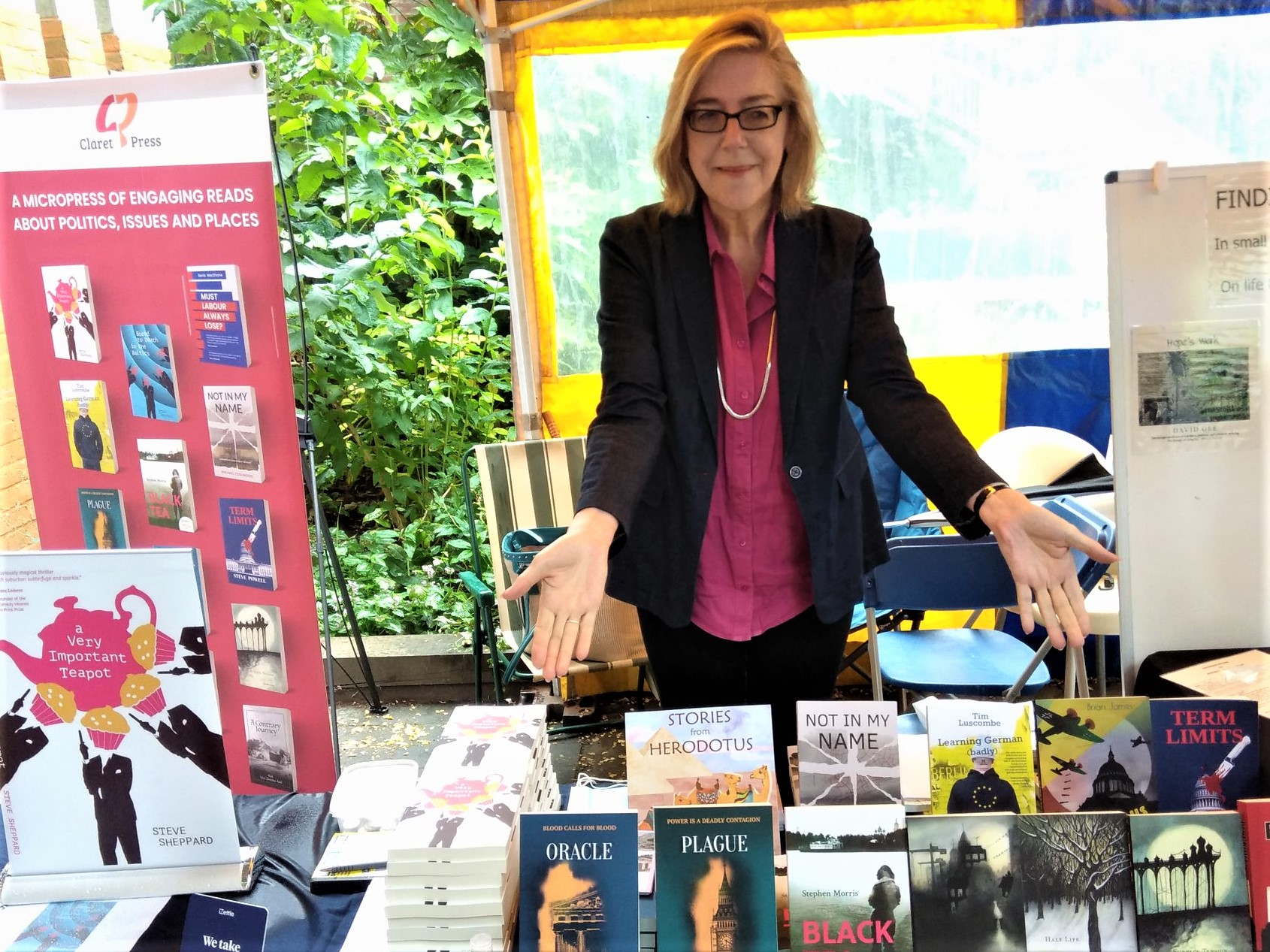 Karen, the young lady from Ghana doing work experience with Claret Press, looked like she was enjoying herself and sales were being made as people were swaying along to a set by a quartet playing guitar, banjo, mouth organ and drums. There was much chat about books, what people liked to read, what they were reading at the moment and what could be found on the other book stalls at the Fair. I did a final swing around the other stalls (spending even more money. but buying only useful things, of course) before it was time to start packing everything away and heading off to the little village of Kennington for an early supper.
 of dreaming spires behind, to return to the Great Wen. It was on the outskirts of north London that we encountered a torrential storm, with cars aquaplaning across the traffic lanes and drivers electing to drive in single file around roundabouts. Anyone familiar with London drivers will realise just how severe the weather conditions must have been to prompt such behaviour. Nonetheless, I arrived home, tired but happy, as they say, and only a little wet from my dash to the front door. I look forward to repeating the experience next year, when I want to go inside St Barnabas Church and explore the area rather more.
 Clapham’s quirky and much-loved literary festival is back for 2021, taking place on 16 October. It will feature events in a variety of formats, including literary walks and livestreaming of events as well as the usual live author discussions. This year will also see a number of online literary events during the summer and autumn in the lead up to the event in October, which will be delivered in partnership with Time & Leisure Magazine.
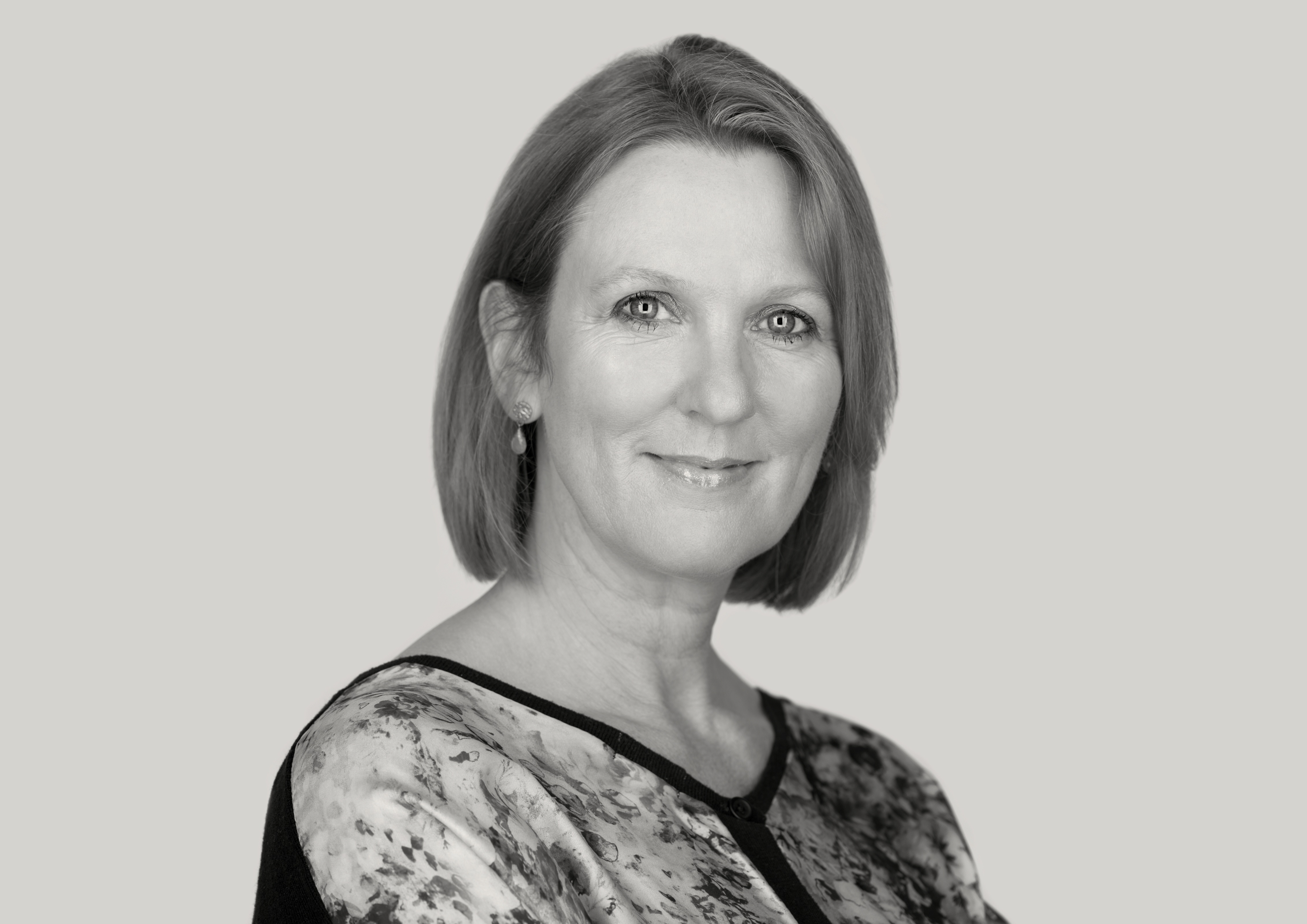 around the literary sites of Clapham led by local authors, including the novelist and award-winning short story writer Annemarie Neary and crime fiction writer, Julie Anderson. Clapham has a long and illustrious literary history and this is a unique way of exploring it, but ticket numbers are limited so be sure to get yours early. Although we cannot be sure what level of restrictions will apply in October, if any, the walks will take place regardless of all but the strictest of lock-down circumstances.”
 newspaper, will be discussing his most recent book Agent Sonya, a biography of Soviet agent, Ursula Kuszinsky and trading stories of legendary spies with local author and broadcaster Simon Berthon.
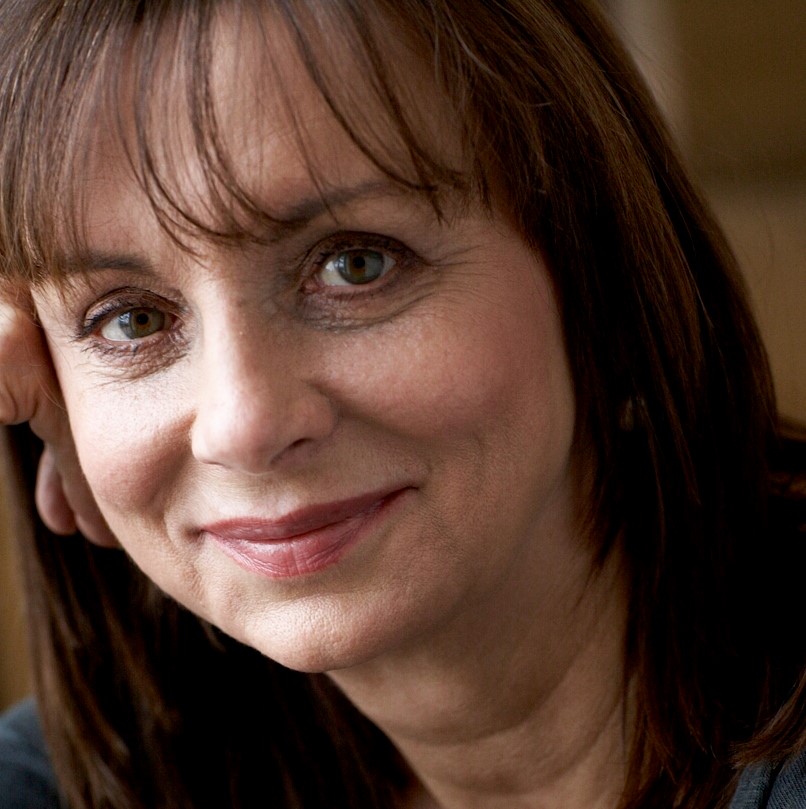 & Leisure Magazine. This is a new departure for the Festival. It will bring high quality author interviews, often with local authors or writers connected with Clapham and south London to a wider audience all year round. Panel discussions and conversations are planned. The first of these, with best-selling local author Elizabeth Buchan, whose new book Two Women of Rome was published in June, will be taking place on 28 July. Elizabeth will be discussing her work, the settings for her books and the importance of history in her books. This is a free event to inaugurate the programme but please register at Eventbrite
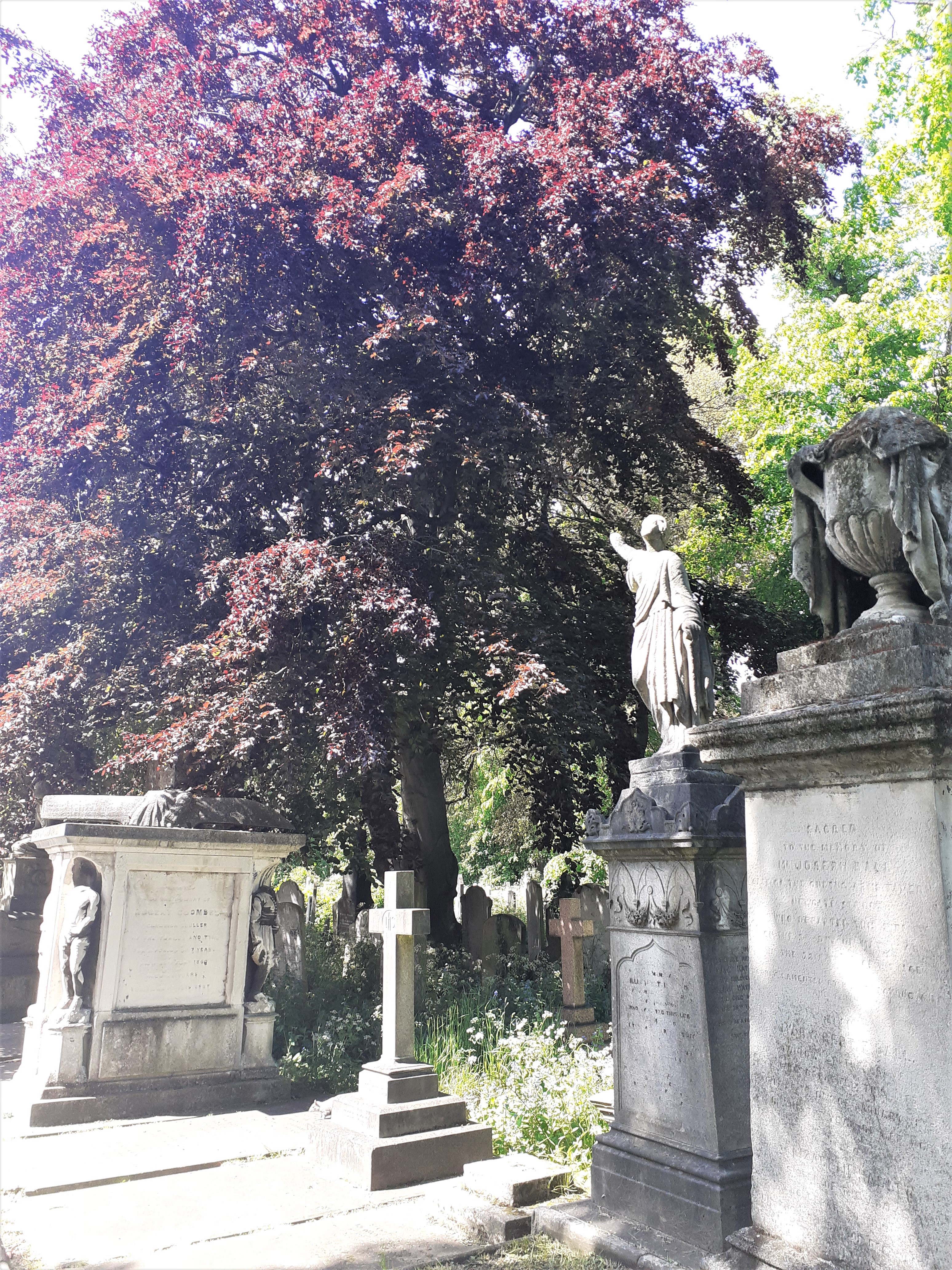 I’ve recently been out and about looking at the places in London where the third book in the Cassandra Fortune series, entitled ‘Opera‘, is set. The obvious one, the Royal Opera House, Covent Garden, is not yet open to anyone but ticket holders to socially distanced performances ( though I have a contact there for when it opens more widely ), but there are others, less obvious and, to non-Londoners, perhaps something of a revelation. If ‘Plague‘ was set in places that we all know, even if it took you to parts of those places which are usually closed to view, or hidden, ‘Opera’ will introduce some settings which are less well-known, but, I hope, people may then visit.
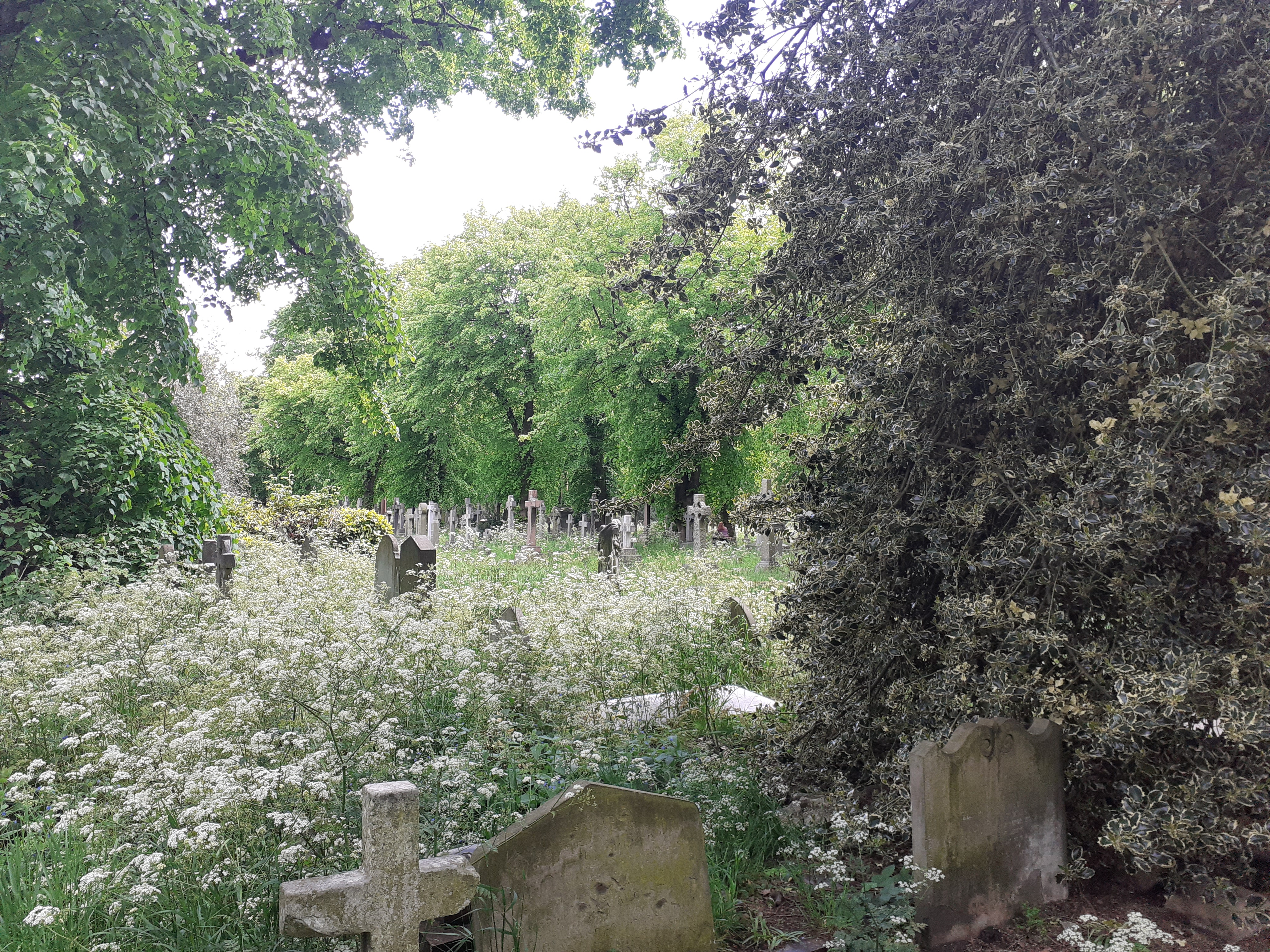 Brompton is one of the ‘Magnificent Seven’ Victorian cemeteries, which includes Highgate, with its graves of Karl Marx, George Eliot and other very famous people and Kelsall Green with its oft-filmed catacombs. While well known to locals – and a godsend during lockdowns – it is less widely known than these others. Both Kelsall Green and Tower Hamlets ( another Magnificent Seven cemetery ) featured in ‘Plague’. Brompton is owned by the Crown and run by The Royal Parks and includes many military graves, including of Commonwealth service personnel maintained by the Commonwealth War Graves Commission and many Czechoslovak, Polish and Russian military burials. It is also evidence of the diversity of Victorian London, housing as it did and does, the remains of individuals ranging from Chief Long Wolf of the Ogulala Sioux nation to Johannes Zukertorte, Jewish-Polish chess grandmaster and the Keeley and Vokes families, music hall artistes and actors. Other individuals buried here include a Mr Nutkin, Mr Brock, Mr Tod, Jeremiah Fisher and Peter Rabbett – Beatrix Potter lived nearby and was known to walk in the cemetery often, did these names inspire her?
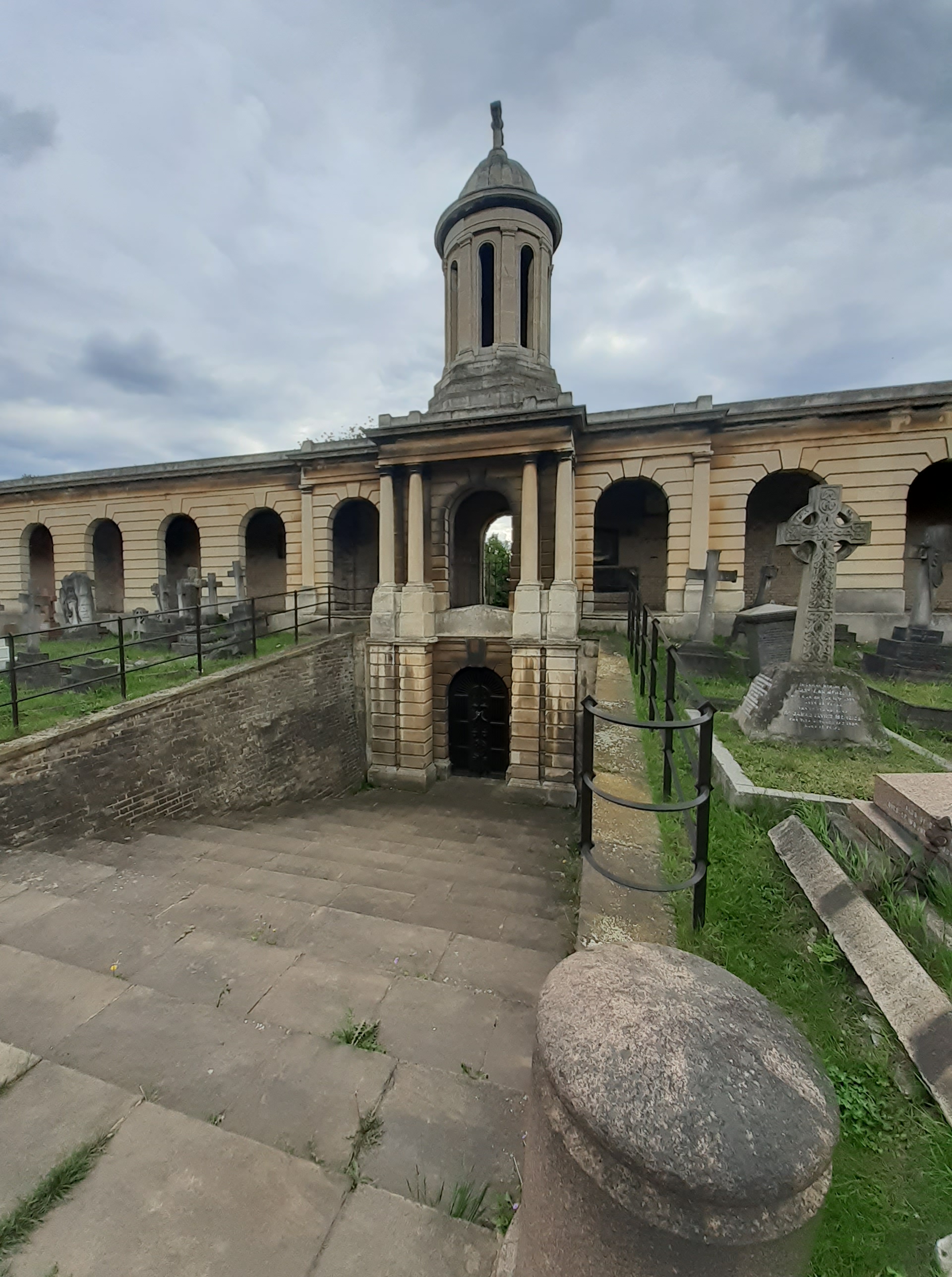 The Chapel at the cemetery’s southern end wasn’t open last week, but the grand colonnade is open all year round. Built in a style aping that of St Peter’s Square in Rome, the Colonnade runs above catacombs, which were fashionable for a brief time in Victorian London ( all too brief, additional catacombs built along the west side of the cemetery were never fully occupied ). The steps down to them are very wide and shallow, mainly because the lead-lined coffins deemed necessary for catacomb interment were extremely heavy and therefore difficult for pallbearers to carry and manoeuvre. The catacombs themselves are not open to the public except on special tours and open days and the locked metal doors, with their sculpted serpentine bas reliefs offer tantalising glimpses within.
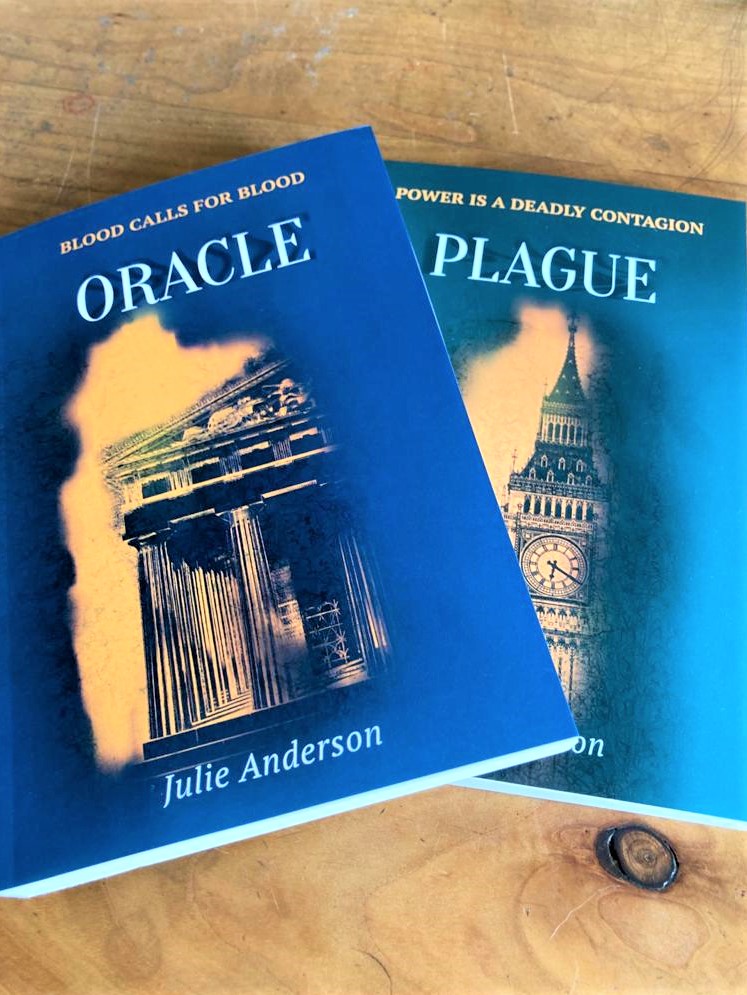 There are always interesting things happening in the world of books, book festivals and publishing, but right now many are happening as a result, direct or otherwise, of the enforced lockdown and the removal of the usual ways in which books and literature are promoted and supported. I’ve experienced this myself, with publication of not one, but two books during COVID times. Gone were the signings, the book tours, the attending of literary festivals. My publisher’s idea of handing out the first two chapters of ‘Plague’ in a small, bound leaflet at Westminster Tube station ( the book is set in part in the Palace of Westminster ) was completely stymied by the pandemic. There were few folk emerging for work in Whitehall and even fewer tourists last year and, in any case, who was going to take a leaflet from a stranger which had PLAGUE written across the top?
 Instead, book promotion has moved even further into the virtual world. I have ‘met’ lots of people online when promoting the books in this way, people who I now think of as friends, even if I’ve never actually met them. I have invitations to Edinburgh, Newcastle and Tamworth and supporters of myself and my books across the globe, not just the book shops of south east England. I also have a network of friendly fellow authors, with whom I have appeared on panel discussions and other platforms or have coincided online with for other reasons. And I ‘know’ a host of folk via Facebook, a medium I hadn’t really used at all until very recently, but which, in COVID-times, has provided a host of alternative ‘communities’ for bookish folk – writers and readers.
 Yes, much of this could have happened anyway, events like blog tours have been going for some time now, though there is a limit on the amount of time available for book promotion and certainly a limit on my publisher’s budget, but the restrictions have been a catalyst, at least for me and, I suspect, many others. As we become familiar with the technology and comfortable with the zoomed or skyped or livestreamed world new ideas spring up and take root. There are new things afoot in the world of book bloggers with live author chats, discussions between bloggers about books and with book club events – e.g. Mairéad Hearne at Swirl and Thread is hosting launches, Poppy Loves Book Club is hosting a series of online events and the lovely folk at the UK Crime Book Club host regular author chats and discussions and authors reading from their books – to name but three. These are all offering free events ( as long as you have the internet, of course ).
 Some things will never be the same again I suspect. Livestreaming, a lifeline for dark theatres and closed halls, is here to stay for performance generally, reaching wider, more dispersed audiences. Many festivals of all kinds, including Clapham Book Festival, will offer livestreaming alternatives alongside live events. Our partners, Omnibus Theatre certainly plans to do so. All of which is a boon to those who would not be able to attend events like this in the normal course of things, the infirm or elderly, or those living in isolated, or culturally deprived, locations. They can now not just watch but contribute to and take part in events – which would have been unthinkable before. None of the libraries I’ve done sessions for, sometimes structured ‘talks’, sometimes conversations, plan to retreat from these online events, though they will return to providing ‘live’ ones too. Let’s hope that they’re staffed to do so. Festivals too are going online. And the Clapham Book festival is no exception – more news on that in due course.
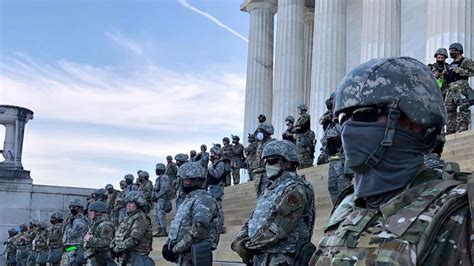 My contemporary crime fiction is set in the world of high politics ( and low sleaze ), of ministers, conferences, lobbyists and business interests. Activists of various kind also feature, particularly in Oracle. In that book a contemporary political issue also impacts upon the plot; the politicisation of the police. This is specifically regarding the Greek criminal organisation Golden Dawn, which formerly styled itself a political party and to which many police belonged in the real world. There are other examples of politics intruding on police work, most notably in the U.S., where former President Trump deployed ‘private’ police forces funded with federal money in cities where demonstrations were taking place ( see pic left ). A ‘defund the police’ movement began as a result of this and of the repeated deaths in custody of black people. So far, so scary.
 tarnished. In the US the Vietnam War, in the UK the three-day week and ‘the sick man of Europe’ made for a more sceptical and hard boiled sensibility. The Day of the Jackal, The Andromeda Strain, Six Days of the Condor are three crime/conspiracy novels, turned into major films, which spring to mind. Then there was police corruption, found in crime fiction like Lawrence Block’s NYPD stories, Leonardo Sciascia in Sicily ( long before Montalbano ) or countless Hollywood films, the Dirty Harry movies, Serpico, The French Connection. Is the politicisation of the police going to be something similar?
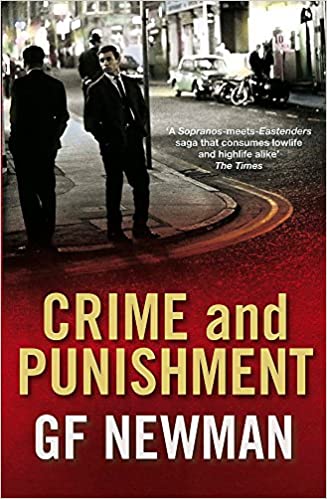 having the politics of policing threaded though it (as it happens these also arose during a discussion I had on Sunday ). Then a series I had never heard of but will definitely try – Ausma Zehanat Khan’s duo detectives Esa Khattak and Rachel Getty. Khan is a British born Canadian and now lives in the U.S. and her pair are Community Police Officers in Toronto, but the books range across the world. One series I remembered as soon as it was suggested was the Law & Order TV series based on four plays by G F Newman, which were also published as books A Detective’s Tale, A Villain’s Tale and A Prisoner’s Tale. HarperCollins reprinted them in an omnibus edition in 1984. These were controversial at the time, as they depicted a corrupt UK policing and legal system and shouldn’t be confused with the US TV series of that name. The UK series was altogether harder and grittier and caused ructions. As did Newman’s later Crime and Punishment, which involved a criminal bankrolling the Conservative party ( where have I heard that before )?
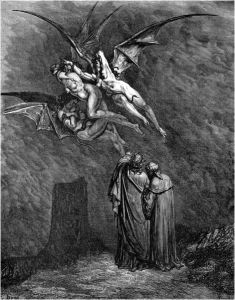 Given the antiquity of the Temple of Apollo at Delphi and the cultural influence it has had over the millennia it’s not surprising that large numbers of visual artists have been inspired by it. Followers of my twitter feed will know I have been collecting and sharing images of Delphi, the Temple of Apollo and the various historical or mythical beings who came there, drawn or painted by famous artists. So, we’ve had Gustave Dore’s Dante and Virgil encountering the Erinyes or Furies (left), Edward Lear’s water colour of the Phaedriades, the massive cliffs which loom over the Temple site and William Blake’s illustration for ‘On the Morning of Christ’s Nativity’ showing ‘The Overthrow of Apollo and the Pagan Gods’.
 events or characters from Greek drama set at Delphi. On Greek redware (right) for example, showing the sleeping Erinyes being roused from their Apollo-induced slumber by the vengeful spirit of Clytemnestra, urging them to hunt down her son, and murderer, Orestes ( from Eumenides by Aeschylus ). Later paintings include Orestes being pursued by the same furies by, among others, John Singer Sergeant, William-Adolphe Bouguereau, John Flaxman and Franz Stuck, until we’re up to date with John Wilson (after Bouguereau).
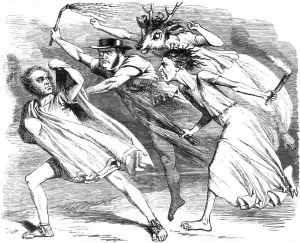 own versions, like that in Puck magazine (1877) or in Punch (left). In this instance it is the Rt. Hon. John Bright MP who is in the Orestes role, being pursued by the vested interests which he opposed through the Anti-Corn Law League. It was Bright, famous for his oratorical skills among other things, who coined the phrase ‘Mother of Parliaments’. He is also credited with first using the phrase ‘flogging a dead horse’ to illustrate the pointlessness of certain activities (in Bright’s case this meant getting the House of Commons to consider Parliamentary reform – ’twas ever thus).
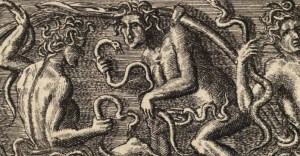 Wenceslas Holler etched them in the seventeenth century (right) and they have re-emerged in modern day gaming ( though with a rather different, sexy, look which speaks to who it is who plays those games rather than any mythological authenticity ). Naked the furies may have, traditionally, been, but not looking like a set of pouting, come-hither dominatrices.
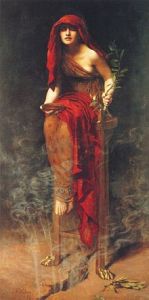 The Pythia, or priestess of Apollo who spoke, as the Oracle, with Apollo’s voice is also a favourite subject in paint and in sculpture. Eugene Delacroix showed Lycurgus consulting her, John Collier made her a hooded, pre-raphaelite religious perched high on her tripod or three-legged stool (left). Note the gases swirling upwards from the crack in the floor of her underground room, the inhalation of which led to her madness and prophecies. No such crevice has been found at the Temple site, but, as a character explains in the book “geologists have found that two geological fault lines cross beneath Delphi, with fissures under the Temple itself which allow small amounts of naturally occurring gas to rise to the surface. Rock testing showed ethane, methane and ethylene − formerly used as an anaesthetic − to be present. These would create a calm, trancelike state and, if a lot was consumed, a form of wild mania.”
 Julie Anderson